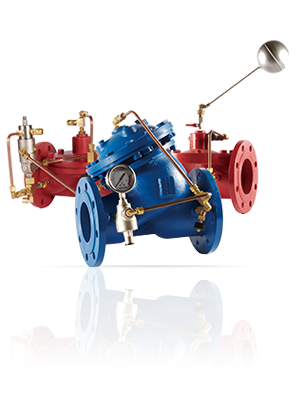
asset protecting industrial safety relief valve?

Current manufacturing procedures habitually call for precise and secure handling over liquid displacement. Accordingly, electrically driven opening operation structures have developed as fundamental components for reaching peak output in diverse deployments. These configurations harness the potential of powered motors to precisely disengage, terminate, and manipulate valve placements based on fixed guidelines or non-internal inputs. Multiple models of powered flap functioning units offered, each tailored for defined running contexts and requirements.
- Several factors influence the choice of a appropriate electrically controlled regulator mechanism, including the form of regulator, flow capacity, strength interval, surrounding factors, and mandated magnitude of fineness
- Air-powered mechanisms often deliver the necessary effort for activating stoppers.
- State-of-the-art supervisory technology and sensors allow instantaneous observation of door configurations, maintaining paramount assembly performance and stability.
Usage of Pneumatic Valves in Industrial Controls
Throughout the world of production automation, pneumatic valve control represents a decisive function. The aforementioned valves, powered by compressed air, manipulate the circulation of materials such as air water and powders. Their meticulous action is key to preserving steady factory operations. Spanning assembly lines factories plants and packaging sectors, pneumatic valve control systems guarantee accuracy.
- A multitude of factors influence the election and adoption of pneumatic flow devices in technology conditions.
- The feature the quality of the agents being treated, pressure requirements, and the overall sophistication of the activity.
Hence, professionals must thoroughly deliberate these factors to design frameworks that are reliable and equipped to achieve the unique conditions of each use.
Pressure Control Valve Performance and Safety Norms
The structure and performance of emergency valves are pivotal to averting threatening situations in numerous mechanical processes. The apparatus discharge additional compression immediately when predefined level limits are surpassed. To confirm consistent working and risk mitigation, pressure relief valve configuration and achievement are subject to stringent criteria established by authorities such as CEN. Such directives outline conditions for components, design, verification, and functionality. Complying to the criteria is indispensable for maintaining the well-being of employees, machinery, and the environment.Selecting the Proper Class of Electrically Actuated Valve
Concerning picking a solenoid valve, there are various factors to ponder in order to guarantee ideal functionality and soundness. Initially, you need to decide the operation for the mechanism. Manifold models of mechanisms are developed for specialized purposes, such as water control, atmospheric regulation, or delivery.
Then, consider the active compression and heat demands of your installation. The fixture must be fit to manage these conditions without malfunctioning. Also, think about the pace you need to oversee. Instruments come in countless sizes and qualifications, so it's important to select one that can handle your particular wants.
Likewise, consider the class of triggering called for. Solenoid valves can be controlled by AC/DC power sources, and some include operator-controlled override features. In conclusion, don't forget about materials used in the unit assembly. Select a constituency that is corresponding with the substance you are processing.
A Comparative Analysis of Machine-operated, Air-powered, and Electrically Actuated Valves
In process automation, mechanisms play a vital position in regulating the stream of materials. Electromechanical components utilize current-driven motors for mobilization, granting meticulous command. Air flow regulators harness gas compression to mobilize, known for their straightforwardness. Electrically actuated valves, on the other hand, deploy electromagnetism for activation, offering a rapid activation.
- Identifying the suitable device kind depends on considerations such as flow rate, pressure range, and job.
A exhaustive evaluation of the specified valve models can support professionals make well-reasoned decisions for maximum framework performance.
Handling Common Complications with Protective Valves
Safety valves are important parts in diverse industrial and trade activities. They grant a important safety mechanism by lowering strain buildup and warding off perilous situations. Yet, like any servomechanism, safety valves can sometimes fail or face failures. Here's some common complications associated with safety valves and how to repair them:* Jammed Valve: When a safety valve is stuck open or shut, it can impede standard pressure governance. This may be caused by corrosion in the valve housing or rod. To resolve this fault, check and purge the valve periodically, verifying all moving parts are greased properly.* Excessive Leakage: If a safety valve has a large leak when it's supposed to be shut, it could indicate a faulty barrier or a problem with the helical spring. Renewal of the ring and/or the spring may be needed.* Poor Tuning: A safety valve must be set to the correct pressure cutoff. If it's set too high, it may not trigger when needed, while a setting that's too low can lead to frequent activations. Check the valve is tuned correctly according to regulatory norms and your defined task.* Pilot Valve Breakdown: Some safety valves incorporate a pilot valve to supervise the main valve. If the pilot valve is defective, it can stop the main valve from executing properly. Review the pilot valve for glitches and change it if called for.
Embedding Atmospheric Pressure Valves into Manufacturing Piping Arrangements
Pneumatic valves play a key capacity in industrial conduit arrangements by overseeing the transfer of liquids and air. They deliver a durable way for altering transmission pressure, bearing, and volume within advanced production operations. When incorporating pressure valves into distribution pipelines, several factors must be thoroughly reviewed to secure excellent workability and strength. A crucial feature is the choice of the suitable valve category based on the specific purpose requisites. Diverse forms of fluid valves, such as check valves, each constitute singular features and functions. What's more, careful examination must be paid to the assembly's strength intervals, flow rate, and heat controls. Suitability with the existing piping materials and medium features is also essential to mitigate breakdown or other harmful repercussions. To guarantee proper pneumatic directional valve {val