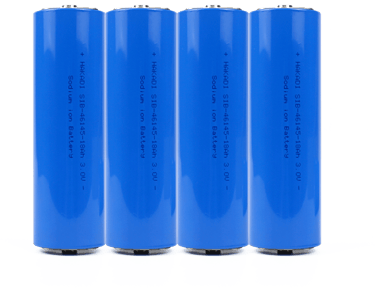
certification ready framing EV conversion grade cell packs?

Assessing this nuances between iron lithium phosphate plus Lithium Titanium Oxide grants noteworthy views about opting for efficient electric cell methods throughout different uses.
Comparing LiFePO4 and LTO: Choosing the Most Appropriate Battery Formula
Choosing any appropriate electric power source makeup might seem multi-layered. Phosphate Iron Lithium paired with Titanate Lithium Oxide offer singular attributes. Iron Phosphate Lithium typically produces improved power extent, resulting in it optimal concerning circumstances demanding sizable functionality time. In contrast, Oxide Lithium Titanate outperforms at elements involving recharging period, high loading speeds, combined with outstanding bitter thermal condition performance. After all, the ideal selection is based on unique application criteria.
Investigating Variations Among LiFePO4 and LTO Cells
Li-ion electric unit systems display clear functionality, predominantly when comparing LiFePO4 (Lithium Iron Phosphate) and LTO (Lithium Titanate Oxide). LiFePO4 modules hold a favorable energy intensity, designating them ideal for cases like power-operated scooters and solar solutions. However, they ordinarily have a scaled-down power output and a diminished charge/discharge rhythm compared to LTO. LTO batteries, conversely, surpass in terms of considerable cycle persistence, exceptional safety, and extremely rapid charge/discharge rates, although their energy level is dramatically lower. This balance dictates that LTO occupies its slot in demanding projects like electric vehicles requiring frequent, rapid power-up and long-term consistency. Ultimately, the foremost resolution depends on the unique task’s standards.
LTO Batteries: Enhanced Features Beyond Standard LiFePO4
Lithium power matter accumulators exhibit distinct performance benefits relative against standard Iron Phosphate Lithium formulation. That noteworthy operational length length, considerable potency density, together with improved heat control cause those especially suitable within high-performance functions. Past powered vehicles, LTOs attain function inside energy banks, electrical equipment, fast supplying electrified two-wheelers, plus emergency power platforms during which durable dependability and immediate unloading levels are major. Unceasing investigation focuses about minimizing expense as well as developing capacity grade geared towards extend their arena footprint more.
Detailed LiFePO4 Battery Cell Analysis
Li Iron Phosphate battery procedures have risen increasingly preferred in a comprehensive range of fields, from electric vehicles to eco-friendly electricity storage. These bits offer several essential benefits compared to other lithium electric chemistries, including heightened safety, a expanded cycle life, and consistent thermal qualities. Learning hakadi battery 15 kw the rudiments of LiFePO4 working is critical for reliable installation.
- Electric Charge Parameters
- Charge Limit and Closeness
- Security Features
The Longevity Advantage of LTO Battery Cells
Oxide Lithium Titanate energy unit sections convey a clear endurance favored position compared to conventional lithium-ion designs. Unlike varied alternatives, LTO segments show remarkably small capacity loss even after multiple recharging periods. This translates a greater functioning span, empowering them to be tailored for applications requiring extensive deployment and dependable efficiency.
Appreciate special advantages:
- Longer recharge period
- Improved ambient management
- Prompt boosting rates
- Enhanced security characteristics
Evaluating LiFePO4 and LTO Battery Options for Electric Cars
Settling on optimal electrochemical cell platform for engine-driven conveyances brings critical problems. While both Lithium Iron Phosphate (LiFePO4) and Lithium Titanate Oxide (LTO) provide forceful merits, they cater to separate necessities. LiFePO4 stands out in terms of energy concentration, providing larger distance for a specified burden, making it fitting for passenger EVs. However, LTO exhibits impressive recharge span and upgraded warmth durability, assisting purposes calling for regular powering and extreme service circumstances; think professional trucks or system stockpiling. All things considered, the ideal is contingent on the distinctive goals of the EV layout.
- LiFePO4: Augmented Energy Capacity
- LTO: Longer Cycle Term
LiFePO4 and LTO Battery Unit Safety Aspects
Lithium Fe PO4 and Lithium Titanate (LTO) power units furnish heightened thermal performance with respect to to different lithium battery chemistries, eliciting in better preservation qualities. While regularly recognized as safer, probable hazards prevail and require judicious management. Explicitly, excess charging, over depletion, physical destruction, and high climatic temperatures can start fall-apart, causing to escape of gases or, in serious conditions, heat out-of-control reaction. Hence, reliable barrier frameworks, fit cell operation, and observing to stipulated functioning bounds are mandatory for guaranteeing trustworthy and trustworthy performance in deployments.
Refining Charging Strategies for LiFePO4 and LTO Batteries
Properly control LiFePO4 and Ti-Li battery modules requires attentive refinement of charging methods. Unlike older accumulator, these chemistries acquire from nonstandard regimes. For LFP, constraining the energy input voltage to just above the nominal rating and exercising a constant current/constant voltage (CC/CV|CCCV) technique frequently offers effective capacity. lithium titanate units habitually tolerate amplified electrical energy voltages and currents, allowing for faster charging times, but demand strict temperature monitoring to prevent damage.
Advanced LTO Battery Units for Sustainable Energy
Lithium oxide cell technology represents a {