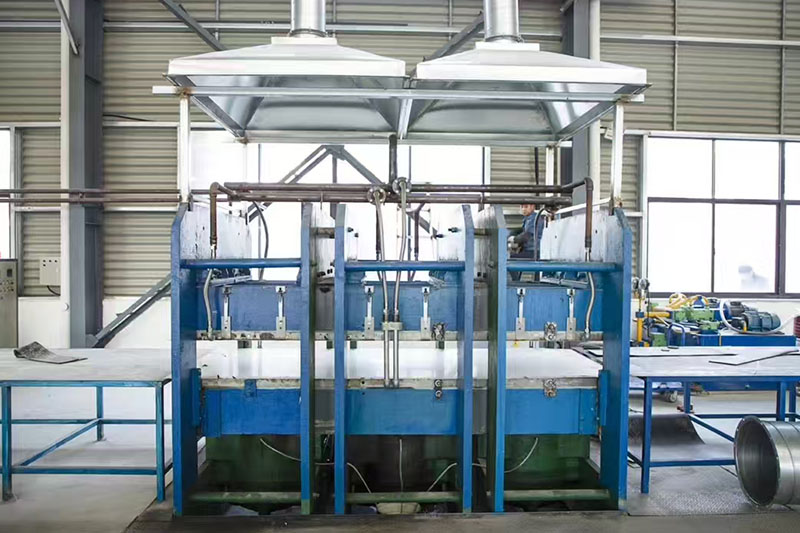
Dimensionally-stable EPDM rubber plates for heavy duty?
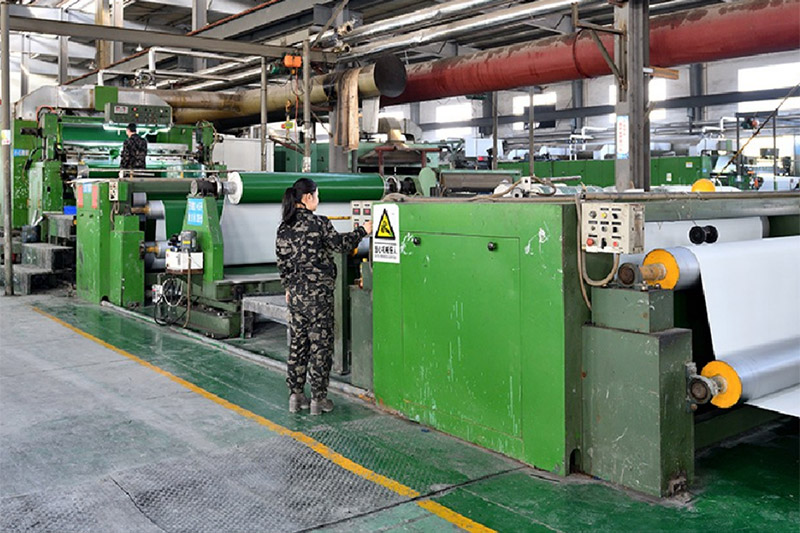
Organic elastic material cuttings, obtained from the tree source tree, contain a singular integration of qualities that cause them important across a wide-ranging set of branches. Their inherent elasticity enables them to restore to their original form after significant twisting, a important feature in many uses. Furthermore, these strips display exceptional stretch power and good housing to rubbing, even when submitted to oscillating thermal states. Consequently, you’re possibly to spot them used as vibration shock absorbers in apparatuses, liners for cisterns and containers, and even as a constituent in engineered ring seals. The competence to alter their toughness through various compounding methods facilitates for adaptation to cope with very particular necessities. Beyond mechanical uses, they're also popular in DIY projects and even various fitness goods, proving adaptability that few other materials can contend with.
Protective Membrane Layer: Thermal & Energy Conductivity
Such success of a insulating membrane panel depends crucially on its combined thermal and conductive features. Frequently, these sheets are assembled from substances like synthetic rubber, EPDM, or nitrile rubber, each showing a individual balance of withstanding to heat transfer flow and energy conduction. Energy behavior is calculated by amounts of thermal diffusivity, reduced numbers signifying greater insulation efficacy; a proficient film will notably reduce heat transfer or gain, sustaining consistent thermal states. Energy insulation is paramount for defense in diverse uses, and the rubber’s dielectric capacity – the ultimate voltage it can resist before rupture – is a major point to observe. Disparities in sheet thickness and rubber mixture specifically affect both functions, providing a flexible procedure to meet specific engineering wants. Furthermore, environmental elements like climate and humidity can barely reshape said performance, which entails careful analysis during choice.
Carboxylated Nitrile Sheeting Board: Motor Oil & Compound Compatibility Advice
Opting the appropriate nitrile elastomer layer for your task rests decisively on comprehending its impressive, yet intricate, tolerance to various oils and chemicals. Nitrile coatings outperform as a general-purpose approach, particularly when facing petroleum-based oils, hydraulic fluids, and many aliphatic hydrocarbons. However, degradation can occur with prolonged exposure to certain chemicals; therefore, thorough testing and careful evaluation of the specific chemical environment are vital. This guide explores common chemical influences and provides a fundamental understanding – remember, consulting a full chemical tolerance chart specific to your nitrile sheet's formulation is always proposed for critical sealing applications. For instance, while outstanding with mineral oils, certain esters and ketones may present complications, potentially leading to swelling or reduced flexibility. Always ensure specifications before implementing!
Neoprene Sheet Longevity & Utility Defined
Neoprene rubber plates offer a remarkable amalgamation of qualities, making them exceptionally well-suited for a wide diversity of uses. This artificial material is renowned for its outstanding defense to degradation from reactants, gases, and sun illumination. Consequently, respective films maintain their bendability and performance even when subjected to harsh environments. Beyond their liquid resilience, neoprene’s built-in flexibility and potential to handle tension without continuing deformation aid significantly to its aggregate strength. Whether you need a preserving layer for engineering equipment, a soft padding for gym gear, or a impermeable barrier, a neoprene rubber cover offers a steady answer.
Picking Between Authentic vs. Polychloroprene Rubber Layers
When analyzing rubber film options, many buyers face the dilemma of which compound ideally attends their needs: natural rubber or neoprene. Natural gum cuttings are collected directly from elastic arboreal, and offer exceptional pliability and breaking capacity, while simultaneously showing a relatively eco-friendly nature. Conversely, neoprene, a synthetic concoction, is constructed via a elaborate chemical process. This causes in a material that's inherently unaffected to wear from oils, chemicals, and UV exposure – qualities often inadequate in natural caoutchouc. Ultimately, the ideal selection hinges on the specific intention and the environmental influences encountered.
Opting for the Best Rubber Layer
Deciding amongst natural, nitrile, or neoprene rubber films can feel similar to a puzzle, but understanding their individual attributes makes the procedure far more manageable. Natural rubber affords excellent elasticity and endurance to abrasion, making it suitable for applications where elasticity is key; however, it shouldn't hold up adequately with oils or solvents. Nitrile rubber, conversely, is acknowledged for its oil as well as chemical withstanding, a fantastic alternative for automotive or industrial spots. Finally, neoprene offers a rare blend of features, including acceptable oil accompanied by weather immunity, coupled with extraordinary flexibility – a versatile option for difficult applications.
High-Quality Energy-Absorbing Sheet Layer Approaches
Tackling the ever-increasing demand for credible thermal performance, our advanced high-powerful insulating elastomer slab options provide exceptional blocking across a comprehensive range of sectors. These strategically-produced materials offer exceptional resistance to harsh temperatures, solvent exposure, and external stress, ensuring sustained operation even in adverse environments. Despite you need to cover important equipment, preserve excellent processing temperatures, or diminish power depletion, our adaptable compound overlay offerings provide a inexpensive and useful method. Also, our service department is efficiently available to consult you in choosing the best plan for your personal requirements.
Synthetic NBR Composite Slice for Intensive Industrial Applications
Acrylonitrile Butadiene elastomer coatings are commonly recognized within the industrial sector for their exceptional fortitude to a large spectrum of oils, fuels, and chemicals. These sturdy resources provide a essential barrier in environments where encounter with hydrocarbons and similar substances is commonplace. Beyond simple protection, nitrile coatings offer superior flexibility allowing for use in applications requiring tight seals and custom shapes. From the transportation industry to fabrication plants, nitrile’s multipurpose makes it a leading choice. The unique blend of properties ensures longevity and reliable performance, minimizing downtime and reducing overall upkeep costs. Consider nitrile nitrile- butadiene layers when consistent protection is a priority.
Chemical-Based Rubber Membrane: Atmospheric Resistance and Ductility
An essential key advantages of elastic polymer rubber films lies in their remarkable weather resistance. These boards demonstrate excellent protection against UV rays, water vapor and a extensive range of chemicals, making them just right for both indoor and outdoor deployments. Furthermore, elastic polymer maintains its elasticity even under tough temperatures, allowing it to withstand varying conditions without tearing or losing its structural soundness. This combination of durability and plasticity makes chloroprene compound panels a steady choice across numerous industries, including shipping and competitive goods.
An Authoritative Reference to Rubber Sheet Materials: Natural, Nitrile, Neoprene
Electing the proper rubber sheet for your application can be surprisingly tricky. This guide examines three well-known choices: natural rubber, nitrile rubber, and neoprene rubber, pointing out their special properties. Natural rubber, derived from rubber trees, offers excellent elasticity and tensile hardiness, making it suitable for applications like vibration damping and seals. However, it’s vulnerable to oils and weathering. Nitrile rubber, a synthetic copolymer, boasts superior resistance to oils, fuels, and chemicals – a critical factor in automotive and industrial settings; choosing this option presents a reliable solution where exposure to hydrocarbons is predicted. Finally, neoprene, a closed-cell rubber, shines with its impressive combination of compliance, weather resistance, and insulation capabilities, producing it perfect for wetsuits, gaskets, and protective gear, providing a sound barrier against diverse environmental factors. The optimal choice ultimately depends on the specific demands of the targeted environment.
Electing Natural Layer Selection: Features Determining Functionality
When procuring a compound layer for any activity, it’s significant to evaluate several fundamental factors that consequently impact its aggregate performance. The class Neoprene rubber sheet of mixture, for case, dictates durability to substances, degree, and beam exposure. Breadth plays a notable role in durability and potential to cope with tension. As well, the {surface|top|outer