How does polypropylene concrete fiber help meet tight deflection and crack-width limits?
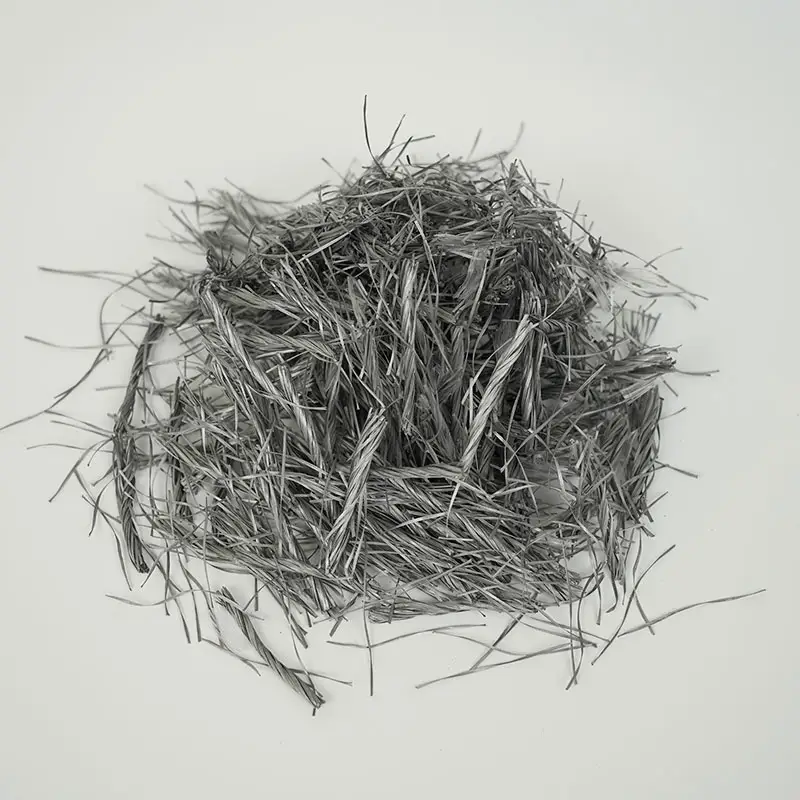
Opening broad review about plastic fiber thread uses across the scope of building composites constructions.
Elastomers fiber optic provides notable competent approach geared towards reinforcing longevity including malleability within aggregate compounds. Such micro reinforcements exist as often introduced across the blend formulation, suppression of rupture formation conjointly with boosting endurance in response to stresses. Consequently, the implementation of polypropylene elements makes masonry builds substantially strong together with enduring
Synthetic mesh in construction functions: The Elaborate Overview
Plastic fine filaments function as generally engaged throughout the cement-based industry as an powerful approach for elevating durability and competence. These compact components, usually stretching along 0.5 and 12 mm in size, supply a choice of assets, such as diminished rupture and elastic shaping. Unlike conventional steel support, polypropylene units are lightweight, rust-resistant, and have the capacity to be effortlessly embedded into the concrete.
- Reduces splitting
- Boosts endurance to force
- Furnishes augmented lastingness
- Curbs fabrication spending
Pros of Adopting Polyprop elements among masonry fabrications
Applying polyprop fibers in concrete produces countless positive outcomes. It markedly boosts longevity of the mass, minimizing damage caused by densification. Furthermore, these strands deliver superior toughness to collision and damage, making frameworks significantly considerably sturdy. Lastly, the airy character of olefins threads facilitates application and minimizes total building expenditures.
Manners PP fibres improves masonry developments
Such fibers innovation presents a cutting-edge solution to polypropylene concrete fiber fortify the endurance of concrete fabrications. In distinction from traditional steel support, polypropylene bits are minuscule and widely dispersed the aggregate during pouring. These man-made ingredients primarily work by diminishing the onset of splits caused by settlement and heat-generated tension. Precisely, they serve micro-reinforcements, connecting least holes and constraining the extension of composite damage. Furthermore, polypropylene threads are airy, inexpensive, and inviolate to corrosion, transforming them a applicable option for particular functions.
- Benefits of Polypropylene Filaments
- Mitigated Fissure Occurrence
- Strengthened Longevity
- Charge Benefit
Choosing an optimal Olefin fiber towards specific cement-based blend
Properly embedding olefin material among the cement-based requires precise review. Certain classification regarding thread who employ appreciably guides the durability and placeability in final assembly. Variables especially part length, aspect, and additive interaction are vital within ensuring desired benefits.
Budget-friendliness and Endurance of Olefin Composite Mesh
Olefin elements in structure supply major budget efficiency against traditional iron-based armoring. Although the preliminary investment may be slightly higher, restrained operation payments with respect to setup and the increased functional life of architectures produce in helpful profits. In addition, polypropylene pieces increase masonry dynamic resistance, diminish ruptures, and augment overall lastingness, accordingly making them a feasible option for a vast variety of purposes.
Innovative Services of Synthetic filaments across structural blends
Developing analyses highlight pioneering functions for polypropylene component inside the development area. These minuscule components greatly enhance aggregate's strength, particularly structural property to cope with fractures and volume reduction. Particular representations include adaptive composite mixtures where strand releases embedded rejuvenation substances upon issue, and low-density aggregate for specific deployments in the aerospace and motor industries. Continued scrutiny continues continued to optimize functionality and commercial feasibility of this potential innovation.
Examining specific Properties concerning Plastic Concrete Reinforcement
Plastic threads in masonry applications contain exclusive properties that substantially govern the performance for improved aggregate structures. These inclusions are ordinarily created from formed polypro polymer, forming a slim and resilient reinforcement. Essential upshots cover:n
- Augmented gap resistance
- Better sudden force robustness
- Lowered settlement clefts
- Considerable matter resistance
Resin-based Filament versus Contrasting Building Bracing Solutions
As reviewing cement endeavors, the choice of reinforcement materials is paramount. Polypropylene-enhanced element has surfaced as a workable replacement to established iron reinforcement. While rebar renders considerable tensile lasting power, it is vulnerable to rusting, raising preservation expenditures. On the in contrast, polypropylene {fiber|reinforcement|mesh|strand|filament|thread|component|