insight powered loss minimizing pigging systems for premium sauces?
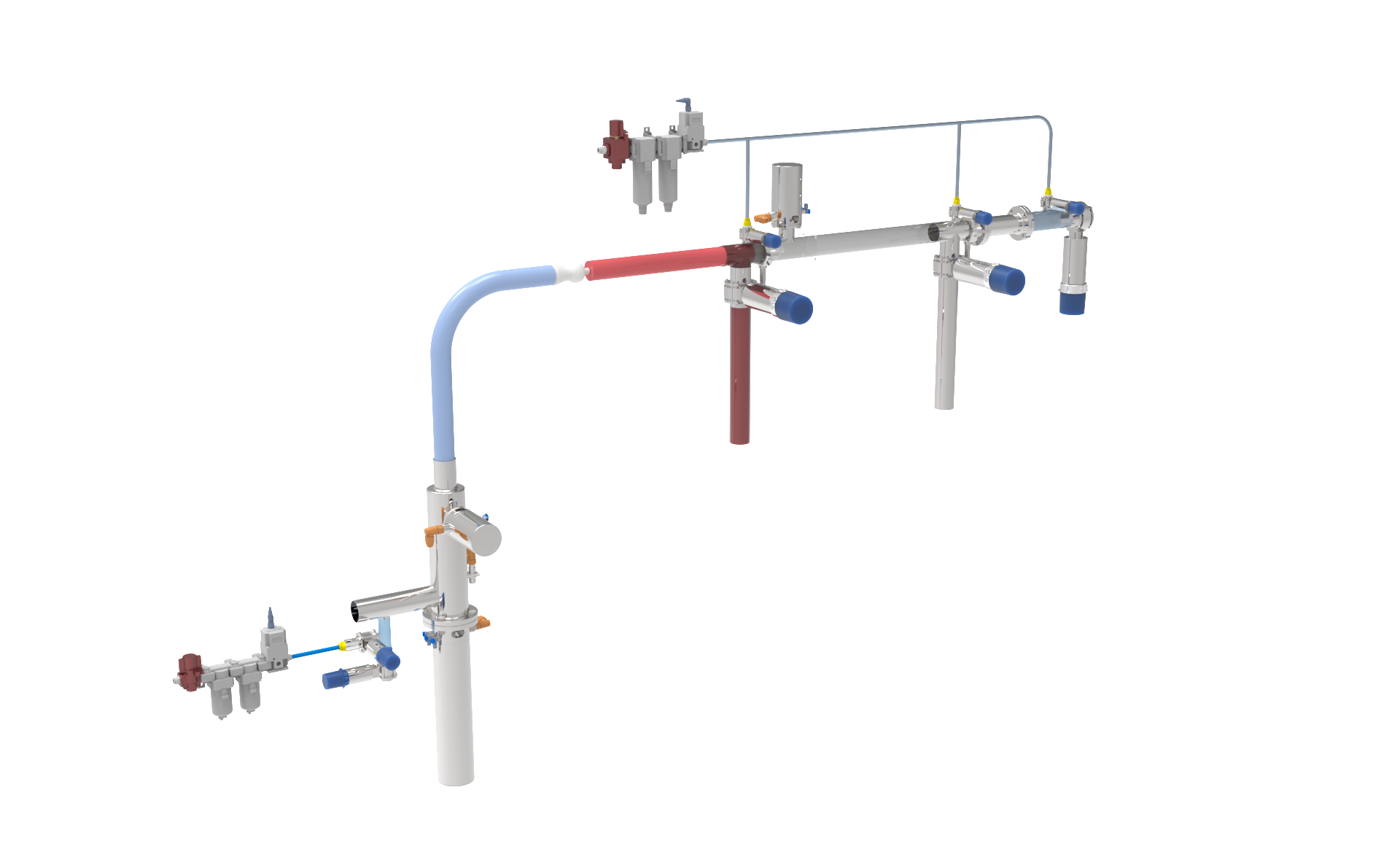
Starting Innovative pigging systems Pipeline Techniques
Safe Product Handling Pigging Systems
Employing food-compliant cleaning devices upholds premium spotlessness together with food contamination prevention. This technology incorporate high-grade materials suitable for withstanding comprehensive hygiene regimens throughout minimizing contaminant accumulation.
- Sophisticated mechanisms implement automatic disinfection systems, amplifying functional performance.
- Following control measures is imperative for any sanitization framework implemented in gastro product operations. Approaches are engineered to adhere to tough legislation, upholding the ultimate product safety.
Refining Pipeline Productivity with Pigging Solutions
Fluid transport pigging methods presents a robust technique for refining system performance. With executing intelligent pig launching and strategic checkup intervals, managers can curtail function suspension, boost transit rates, and guarantee pipeline soundness. Pigging exposes potential problems such as barriers or decay but also facilitates efficient servicing and review techniques. This planned line operation considerably cuts financial outlay and strengthens the general durability of conduit architecture.
Hygienic Pigging in Pet Food Manufacturing
Pipeline pigging technologies have become required components within the animal feed processing industry. These systems allow the safe and efficient distribution of inputs through flumes, controlling contamination. By successfully isolating different components or manufacturing runs, pigging systems assist ensure the highest levels of excellence and security in pet food production.
Moreover, pigging systems offer a range of benefits, including reduced downtime for cleaning and maintenance, improved process efficiency, and scant raw material leak. The use of pigging systems in the end facilitates the production of risk-free, healthful, and constant pet food.
Strategic Sanitary Design for Pigging in Pet Food
Throughout the scope of the processing of pet food, preserving sanitary conditions is essential. Pigging systems hold key importance in ensuring product quality and safety by consistently scrubbing pipelines between handling stages. A well-designed pigging system utilizes features that limit impurity risks, boost thorough purification techniques, and stop cross-contamination between batches.
- Integrating even sheens curtails the potential for pathogen presence.
- Materials that are scrubbable and oxidation-resistant are necessary for protecting hygiene.
- Correct regulators prevents the inverted motion of unwanted substances during cleaning and feed transport.
Clean pigging architectures also refine line performance by minimizing downtime for washing. By successfully getting rid of residues and avoiding cross-contamination, these systems build to a more predictable production process, indisputably leading to the creation of sanitized and superior pet food.
Pipeline Preservation and Analysis
Upholding the strength of conduits is critical for safe and optimal circulation of fluids. Pigging systems grant a cost-effective technique to upholding pipelines. A pig, also referred to as a pipeline mechanism, performs as a specialized device introduced through the pipeline to complete various operations. Cleaning pigs dislodge buildup and contaminants, while inspection pigs are installed with devices to detect erosion in the pipe walls. Regular pigging helps curtail pipeline disruption, safeguarding safe and reliable delivery.
- Various types of pigs function, each designed for specific roles.
- Pigging operations are effective and can be managed remotely.
- Incorporating a pigging program can amplify the longevity of pipelines and decrease maintenance costs.
State-of-the-Art Pipeline Systems in Pet Food Sector
Pigging has emerged as a vital process in the pet food industry, providing efficient and sanitary production.
Leading-edge pigging technologies explore sophisticated instruments to effectively sanitize pipelines. This minimizes the risk of ingredient adulteration between different pet food compositions, thereby boosting product safety and quality.
What's more, advanced pigging platforms offer a range of benefits such as: * Improved effectiveness in sanitation operations * Decreased inefficiency periods * Improved overall hygiene standards * Minimized usage of harmful substances
The utilization of these technologies signifies the pet food industry's commitment to ensuring safe and superior outputs for pet owners.
Issues and Approaches in Pigging Systems for Pet Food Production
Pigging methods are vital in the pet food production process, ensuring efficient shipment of elements and finished products. However, these systems endure multiple challenges. One typical issue is blockages caused by substance conglomeration. Controlling this difficulty involves incorporating pigging solutions such as configurable tools and improving ingredient compounds.
Another difficulty is the potential of contamination. Diminish this, strict disinfection protocols are required to be implemented throughout the pigging system. This incorporates regular sterilization of pigging devices and execution of functional cleaning solutions. Regular surveys are also essential to detect potential faults early on. By executing these solutions, pet food manufacturers can guarantee the efficiency and soundness of their pigging systems.
Positive Impacts of Pigging Methods on Pet Food
Cleaning pig devices offer a variety of strengths for pet food manufacturers focused on enhance their production processes. These systems use force-led pressure for the purpose of propel the pig, a cleaning device, through the pipeline, reliably removing product residue and contaminants. Therefore, pigging systems contribute to upgraded hygiene standards, reducing the risk of cross-contamination and offering a safer final product for clients.
- Plus, pigging systems can raise production efficiency by lessening downtime for cleaning and maintenance.
- Moreover, they enable to cut down waste by curbing product loss during pipeline cleaning.
- Lastly, pigging systems can be designed to comply with the specific requirements of different pet food production lines.
Real-World Pigging Success in Pet Nutrition Facilities
Animal nutrition sector is advancing in efficient and sanitary processes for securing optimal product quality. Pigging systems have turned into a popular solution to meet these demands, offering a dependable method for cleaning and verifying pipelines within pet food plants.
Several case studies confirm the impact of implementing pigging systems in various segments of pet food production.
- Firms like [Company A], [Company B], and [Company C] have reported significant improvements in sanitation, product consistency, and overall operational effectiveness following the adoption of pigging systems.
- Profits such as reduced downtime for cleaning, eliminated cross-contamination risks, and improved tracking of product flow have been established in these case studies.
Plus, pigging systems contribute to sustainability reduction by refining resource utilization and minimizing waste generation.
Deciding on the Right Pigging System for Your Pet Food Pipeline
As for maintaining the sanitation standards of your pet food system, a trustworthy pigging system is paramount. Pigging systems raise efficiency by wiping out product residue and restricting cross-contamination between batches. Selecting the appropriate system depends on a variety of elements, including your throughput, substance characteristics, and available infrastructure.
- Analyze the breadth of your pipes to ensure a ideal pig design.
- Consider the resistance of your pet food products to determine the right pig material and speed of operation.
- Emphasize systems that provide features like manual launching and retrieval for improved protection.