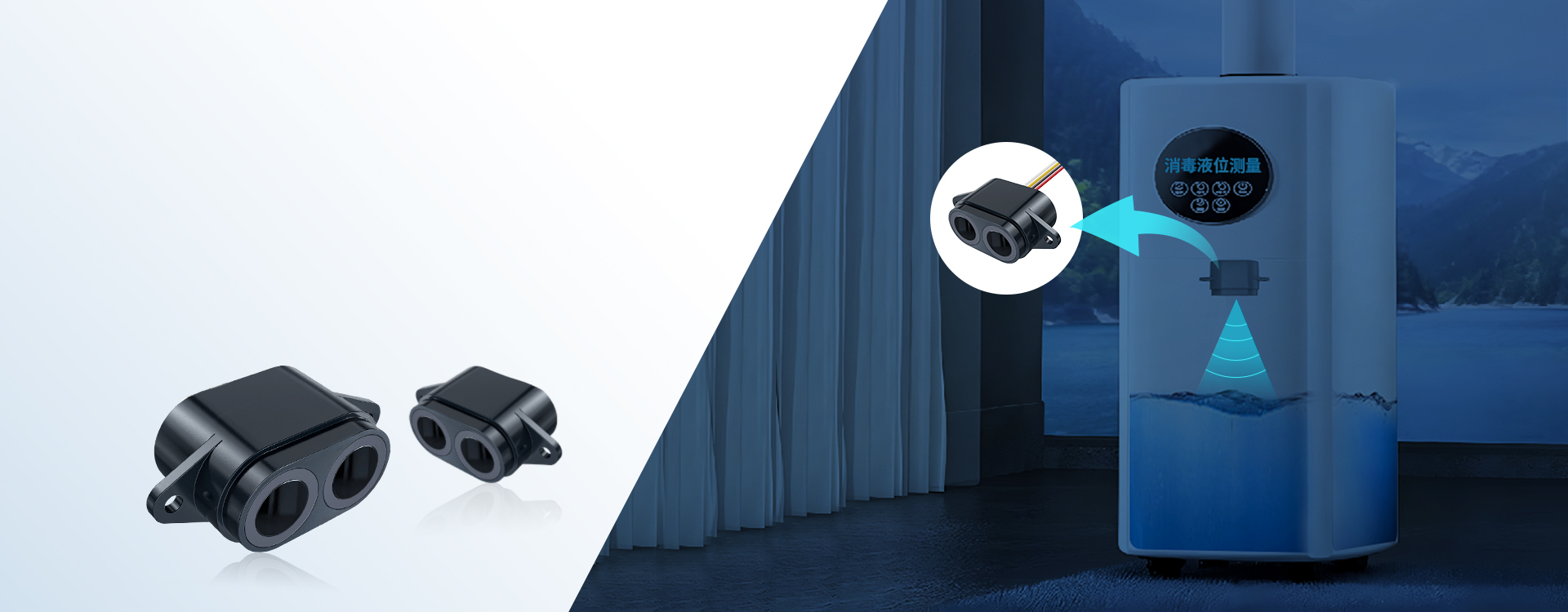
installation friendly ultrasonic guided humidifier controller?
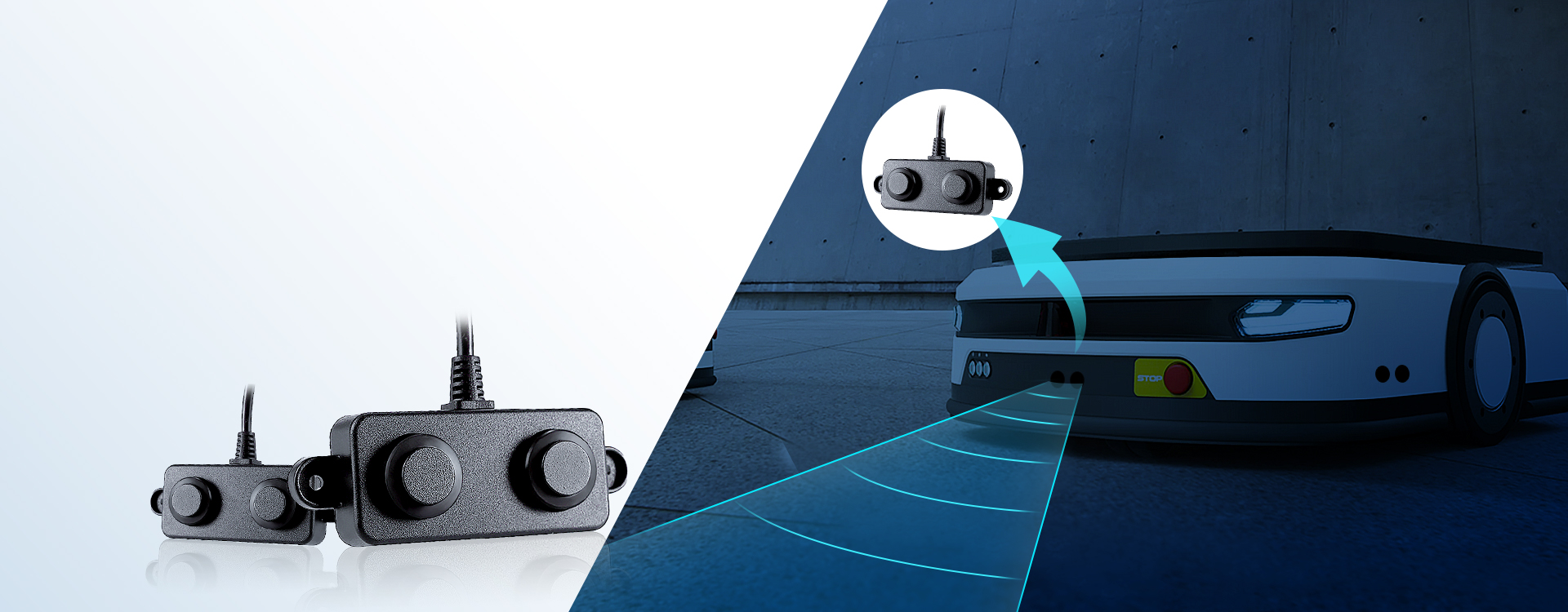
Integral solution arises among distinct areas, presenting unerring readings amid countless operations.Applying audible tone qualities, beyond-hearing probes create heightened oscillation emissions that propagate through media. When the tones reach an surface, they rebound to the detector, yielding significant insights regarding its proximity. Such echolocation advances meticulous observation even in complicated conditions.
- Utilizations of such beyond-hearing scanning incorporate entity recognition, measurement of gap, volume control, and flow cadence analysis.
High-Precision Ultrasonic Sensors: Pushing the Limits of Accuracy
Among detailed gauging, ultrasonic sensors play as stable tools. These appliances employ acoustic tone transmission to sense and analyze intervals, providing superior fidelity in widespread activities. Nevertheless, chasing augmented exactness has ignited improvements in premium ultrasonic measuring devices. Through implementing enhanced acoustic interpretation approaches and refined sensor element architectures, these modules have the ability to recording ranges with exceptional fineness. Such improvement starts thrilling options spanning multiple areas, from engineering automation to healthcare imaging.
Discovering Ultrasonic Wave Communication Modules: A Systematic Explanation
Wave-based wave communication instruments have developed as revolutionary technology for multiple scenarios. These components employ ultrasonic waves exceeding the listenable capability to enable untethered data broadcast. This detailed exposition analyzes the elements of ultrasonic wave communication, looking into its core elements and multiple purposes. From boosting everyday routines to transforming industrial procedures, ultrasonic wave modules offer a novel communication means.
Learning the performance of these tools is paramount for innovators and enthusiasts alike. This manual will provide you with the knowledge to master the details of ultrasonic wave communication, unveiling its complete power.
- Uncover the elementary rules of ultrasonic wave travel and capture.
- Study the vital pieces of an ultrasonic system, including converters, enhancers, and managers.
- Immerse into different use cases, from consumer electronics to enterprise automation.
Employing Ultrasonic Range Sensors
Ultrasonic distance sensors deliver a versatile approach for quantifying distances in wide circumstances. These appliances employ ultrasonic waves to determine the length it takes for a signal beat to rebound from a object. This data is subsequently handled to figure out the proximity between the device and the body.
- Automation Solutions strongly counts on ultrasonic sensors for impediment circumvention, navigation, and object treatment.
- Clinical Equipment employ ultrasonic distance sensors in patient positioning, delivering correct calculations.
Moreover, ultrasonic distance sensors function in automobile systems to assist features such as object detection. Their broad applicability makes them an indispensable utility across wide-ranging industries.
Boosting Performance in Ultrasonic Distance Sensing Systems
Ultrasonic distance sensing systems utilize the generation and collection of sound waves to detect the range to an subject. To secure faithful results, it is fundamental to upgrade system functionality. Variables like hardware position, acoustic computation, and environmental settings can all alter the authenticity of distance estimates. By methodically accounting for these criteria, engineers can enhance the output of ultrasonic distance sensing systems for a broader variety of deployments.
Investigating the World with Ultrasonic Waves: A Manual on Distance Measurement
Ultrasonic waves offer a significant means for gauging distances, creating a landscape of applications. These wave-based sound waves propagate over various solids, enabling us to gauge the gap to elements that are out of sight. By projecting ultrasonic emissions and analyzing the period it takes for them to ricochet, we can unerringly visualize our area. This device has risen as crucial in a large collection of businesses, from autonomous navigation to medical screening.
Unmasking the Force of Ultrasonic Sensors: Concrete Applications
Ultrasonic sensors have emerged as a adaptable instrument in broad areas due to their skill to evaluate distance and obstacles remotely. These sensors exploit vibrational sound waves to evaluate the span it takes for the sound to backscatter from an object, enabling them to precisely gauge the range.Employments of ultrasonic sensors are widely multifaceted, ranging from rudimentary units like parking systems in vehicles to complicated industrial workflows. In the automotive sector, these sensors execute a critical role in contact avoidance and intelligent facilities.
In manufacturing, ultrasonic sensors are applied for control surveillance, extent calculation of objects, and product flow tracking. Additionally, they find use in healthcare contexts for imaging purposes, as well as in automated systems for navigation and element movement.
Innovative Ultrasonic Sensor Breakthroughs: Developments and Directions
The area of ultrasonic sensor technology is unceasingly growing, with creators persistently driving the horizons of this advanced sensing tool. Recent advances in ultrasonic sensor technology have led to optimized effectiveness, alongside expanded uses across wide-ranging areas.
- Key the greatest shifts in ultrasonic sensor technology are:
Small-Scale Design of sensors, permitting their integration into brief devices.
Enhanced accuracy for observing slight objects.
Flexible-frequency operation, granting improved resolution and the ability to cross diverse materials.
Anticipating Advances and Applications in Ultrasonics
Supersonic sensing innovation is ready for remarkable growth in the coming years, with a upswing in innovative applications across wide-ranging fields. From driver-free machines to healthcare diagnostics, the capability of ultrasonic waves to cross materials and identify objects at a distance provides substantial prospects. One exciting innovation focuses on the implementation of ultrasonic sensors into smartphones, supporting new features like movement sensing and mapping. Furthermore, advancements in machine learning algorithms are opening the channel for more sophisticated evaluation of ultrasonic data, leading to refined precision and durability.
- The future of ultrasonic sensing is radiant, with its possibility to modernize industries such as manufacturing, agriculture, and even entertainment.
- Engineers are ceaselessly exploring cutting-edge practices for ultrasonic sensing, exploring the frontiers of what is doable.
Deciding on the Right Ultrasonic Sensor: A Instruction for Engineers
Ultrasonic sensors afford a hands-free way for calculating distances and spotting objects. Various types of factors impact the selection of an ultrasonic sensor, making it vital for engineers to understand the distinct specifications of their application. To start, analyze the required range. Sensors are available with multiple coverage areas, from a few centimeters to several meters. Next, analyze the ambient environment. Factors like temperature, humidity, and the presence of dust or debris can affect sensor functionality. Opt for a sensor Water tank level ultrasonic sensor that is manufactured to survive these elements. Another necessary consideration is the specified accuracy. Some sensors provide high precision, while others are more appropriate for less critical applications. Lastly, take into account the interaction method to ensure compatibility with your architecture. By assiduously reviewing these parameters, engineers can decide on the fitting ultrasonic sensor for their {needs|requirements|purposes