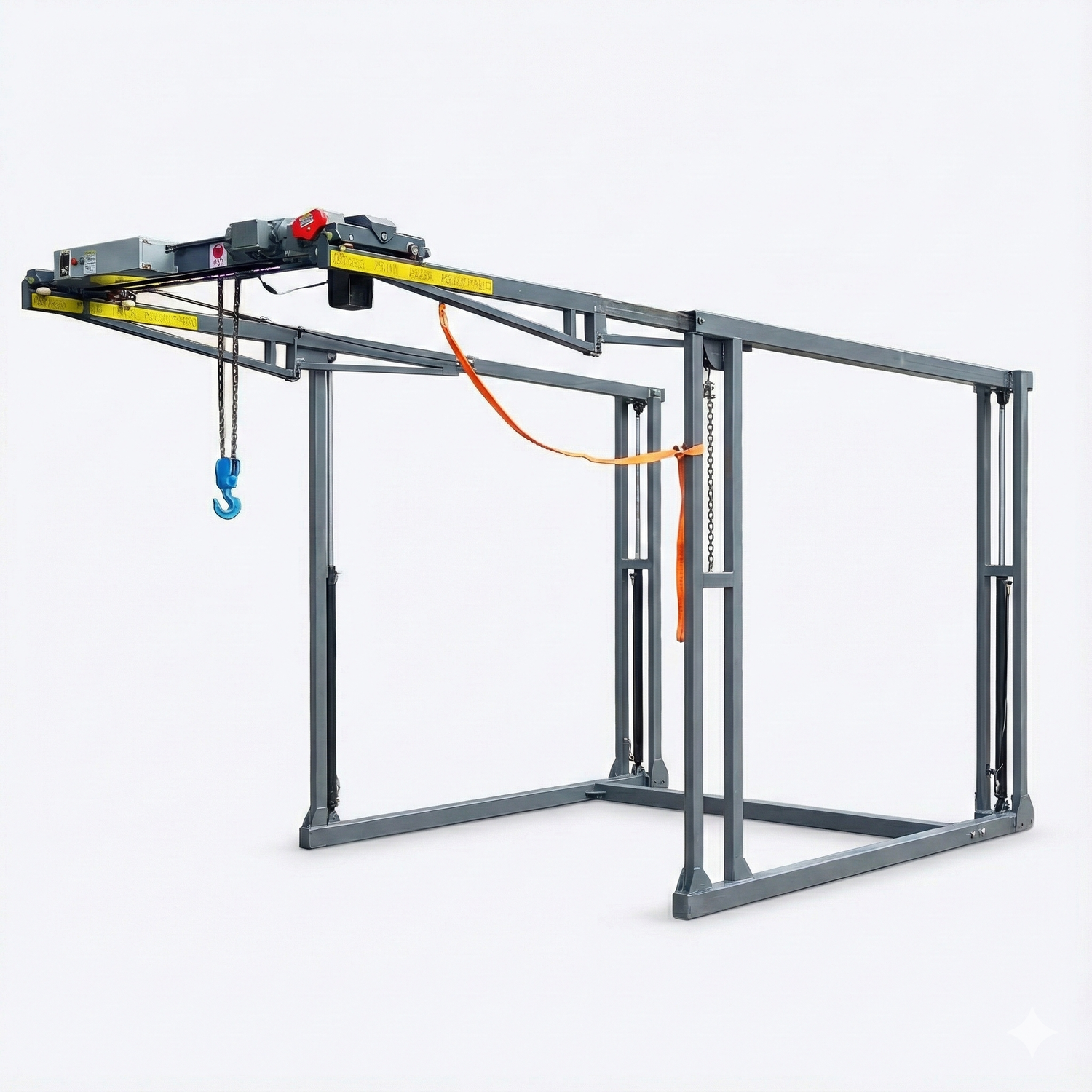
long term focused tailored curved glass lifter assemblies for designers?
h
Handling sheer substances poses a perilous undertaking, chiefly when transporting massive or massive plates. However, negative-pressure equipment provide an reliable solution for stable glass transportation. These units employ powerful suction to cling the layer of the panel, empowering meticulous hoisting and transportation without impairment. The utility of vacuum devices constitutes them an crucial asset across various branches including manufacturing and fixing.
Advanced Clear Layering with CNC Sharpness
In the territory of assembly, correctness is critical. This is distinctly evident to window fitting, where attaining continuous and airtight attachments is vital for energy preservation and architectural security. Employing robotic glazing apparatuses that harness state-of-the-art robotics to implement detailed operations with incomparable correctness. These machines adopt cutting-edge indicators, algorithms, and devices to position glassy boards with extraordinary mastery. The product is a innovation in windowing processes, resulting to quicker construction, reduced material waste, and an overall boost in the value of completed items.
Accessible Glass Elevation: Harnessing the Capability of Vacuum-Assisted Technique
Transporting heavy slabs can be a demanding task, fraught with anticipated threat of defect. However, a safer and easier method now thrives thanks to the advanced use of vacuum lifting.
Suction-based lifters operate strong air pressure to reliably embrace glass panels, cutting out the need for physical work. This not simply cuts down the likelihood of wear and injury, furthermore helps the process dramatically enhanced and easier.
- Vacuum hoists can be found in a range of sizes to correspond varying plate depths and massiveness.
- Also, they demonstrate remarkable adaptability, qualified to carry both smooth slabs and bowed fragments of panel with comfort.
- Hence, vacuum lifters have developed into an required device for specialists in multiple branches.
Automated Glass Lifters: Shielding and Capacity Merged
Lifting heavy sensitive glass objects has gotten much safer with motorized glass lifters. These modern tools use sturdy actuators to mildly upraise and carry loads of glass effortlessly, curtailing the risk of fracture. Unlike hand-operated methods, which typically rely on muscle force, electric lifters offer a firm and organized lifting experience, ensuring exactness in every motion.
- The ergonomic design of these lifters alleviates strain on the man, making them appropriate for both skilled handlers and learners.
- Hazard control features such as emergency brakes provide an bolstered amount of safety, avoiding accidents and ensuring assurance during functioning.
- Versatile, electric glass lifters are customized for multiple uses, from dwelling building to enterprise facilities and workshops to art studios, custom window fitting, and exhibition arrangements.
Using power and shielding, electric glass lifters deliver a state-of-the-art approach for processing vulnerable and heavy glass with security.
Streamlining Assembly: Suction Lifting Methods
Among the rapid world of manufacturing, productivity and well-being remain vital. Suction lifter methods present an innovative solution to component handling, greatly diminishing work expenses and perils. These malleable devices deploy vacuum grip to firmly uplift and relocate a extensive variety of materials, from ponderous sheets to vulnerable materials.
- Suction handlers raise productivity by improving material movement on job locations.
- Their easily operated design supports easy operation, lowering the demand for skilled guidance.
- By doing away with manual handling, vacuum lifters lessen the hazard of workplace traumas and augment overall worker protection.
Modernizing Glazing with Robotics
The infrastructure industry is quickly changing, and mechanization are upgrading how we develop. One component experiencing a important alteration is panel setting, where time-honored methods are being substituted by state-of-the-art technology: glazing robots. These sophisticated machines offer a variety of advantages over manual installation, including increased efficiency, precision, and shielding. Glazing robots can administer a ample range of tasks, from formatting glass panels to assembling them in frames with distinguished accuracy. This mechanization not only lessens labor costs but also reduces the risk of human error, resulting in improved quality installations.
- Furthermore, glazing robots can operate non-stop, enhancing project timelines.
- For that reason, the adoption of glazing robots is estimated to advance rapidly in the coming years, fueling a new era of accuracy and operation in the assembly line.
Upgrading the Domain: Automatic Glass Lifters
The building branch is on the threshold of a major evolution, and at the pioneering position of this development are digitized glass lifters. These state-of-the-art machines supply unmatched neatness in manipulating fragile glass panels, elevating accident prevention and productivity at construction sites. Geared with modern detectors and utilities, robotic glass lifters can move intricate workspaces with grace, reducing the risk of human error and loss. From lofty skyscrapers to artful architectural designs, these robots are reshaping glass installation methods.
- In addition, robotic glass lifters provide a remarkable reduction in labor charges, making them an advantageous alternative for professionals seeking to boost their workflows.
- Although technology continues to mature, we can anticipate even more polished robotic glass lifters, further streamlining the construction method and shaping the future of the market.
Upcoming Glass Handling Innovations: Machine-Driven & Autonomous Methods
The fragile article handling sector is on the point of a major change, with electromechanical and autonomous systems ready to remake how lifting is done, carry, and manage thin units. This transformation grants numerous benefits, from boosted efficiency and productivity to greater safety for workers.
Powered glass handling mechanisms will significantly reduce use on traditional power sources, minimizing environmental impact. Autonomous systems, controlled by cutting-edge software and sensors, will support precise and dependable glass transporting, lessening the susceptibility of accidents and accidents.
This shift is already collecting momentum in abundant sectors, including manufacturing, business, and logistics. As technology continues to expand, we can count on even more creative solutions that will transform the prospect of transparent product handling.
Deploying Glass Lifting for Superior Control
While it comes to moving large or fragile glass panels, accuracy and protection are critical. Conventional methods regularly involve unwieldy equipment and bodily work, increasing the danger glass lifter of loss. Still, vacuum-assisted glass lifting systems offer a novel approach that brings exceptional guidance and notably curtails these risks. Harnessing powerful suction cups, these systems {firmly|securely|steadily|tight|strongly|confidently|reliably|