performance centric conversion focused transparent circuit film lines?
Amid the sector of electric devices,while minute components function across fine scenarios,corrosion represents a substantial hazard to capability and quality. To combat this problem,novel methods are unfailingly researched. One such promising avenue is the utilization of corrosive sealants. The specific compounds, composed of chosen acid mixtures, show exceptional traits preventing decay. When coated atop circuit parts, such sealers form shields versus humidity, air, and corrosive substances, maximizing endurance and guaranteeing perfect electrical output.
Charge Transport Film Spanning Voids in Progressive Microtechnology
During the transformative phase of high-tech microchips,required outputs for limited and advanced apparatus expand. Investigation into fresh materials and production processes is ongoing to address such demands. A key innovation involves conductive coatings aiding connectivity between electronic segments.
The films exhibit outstanding conductive traits permitting flawless charge transfer between modules. Promoting effective data exchange, they encourage creation of tiny, upgraded electronics
- Besides, these films possess various beneficial properties.
- These films apply to different surfaces, allowing assembly of intricate device networks.
- Moreover, these coatings possess outstanding stability, supporting reliable component operation in challenging settings.
Thermal Flux Sealants: Maximizing Heat Transfer Efficiency in Advanced Devices
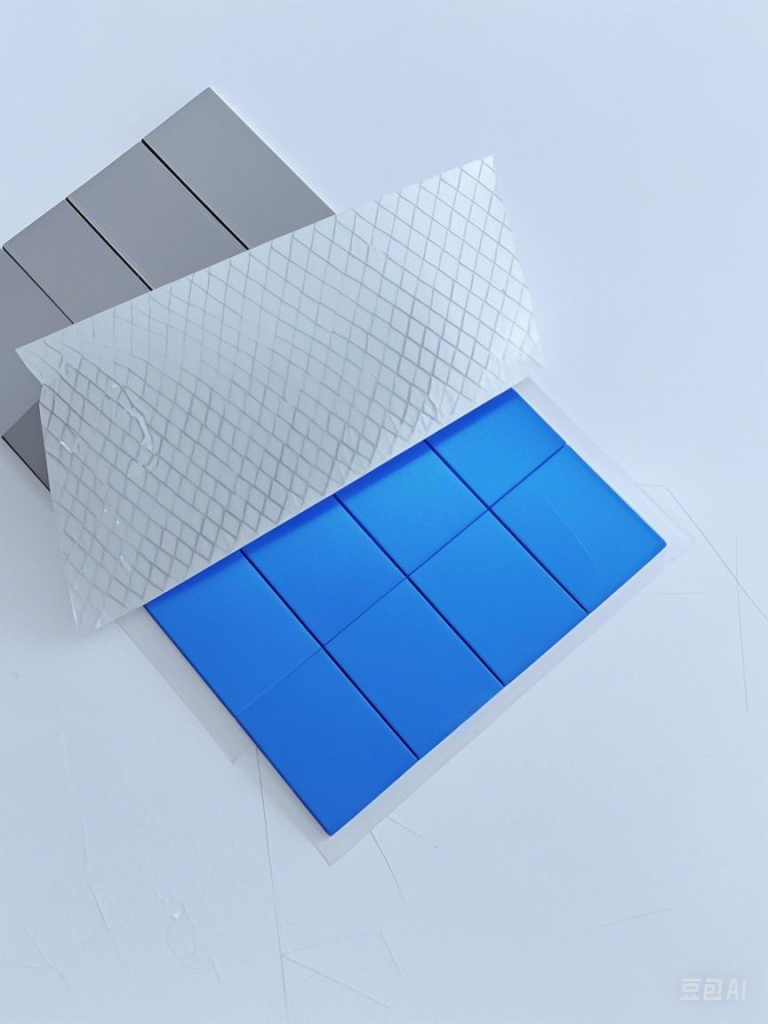
Among next-gen systems, swift heat dispersion is required for utmost functioning. Strong devices tend to emit large heat volumes triggering breakdowns if unchecked. Thermo-conductive substances surface as key remedies for these problems, promoting efficient heat movement and circuit robustness. These agents contain great heat transport granting rapid thermal evacuation from tender regions.
Applying thermo-conductive substances provides numerous advantages. This offers reliable, robust protections from exposure, hindering humidity, particles, and unwelcome intrusion. Equally, bonding properties afford firm, sustained joins joining gadget parts efficiently. Their flexible nature allows accommodation of expansion, preventing stress build-up and potential damage.
State-of-the-Art Microchip Packaging Capabilities: Breaking Semiconductor Packaging Frontiers
Rising expectations for minimized, swift, and capable chip units have urged fields to develop cutting-edge packaging technologies. Among new developments, PDSM emerges as a prime solution for enabling substantial efficiency boosts. Through layered die integration in one package, PDSM facilitates a tight and resilient framework for potent calculation operations.
An essential strength of PDSM resides in minimizing electronic product dimensions. The compressed scale greatly benefits scenarios with confined spaces. In addition, PDSM architectures improve die interconnects, allowing brisk message relay and decreased latency. Such performance hikes designate PDSM appropriate for taxing areas such as cognitive computing, elite computation, and self-governing devices
Advanced Acid-Based Seal Agents for Challenging Industrial Situations
Amid tough plant conditions where damaging chemicals present continual dangers,picking stable and sturdy barriers matters greatly. Acidic sealants have emerged as indispensable tools for protecting critical infrastructure and equipment from ravages. Such layers embed specific polymers and enhancers giving extraordinary durability resisting multiple acidic, alkaline, and erosion-inducing elements. They demonstrate superb tackiness on multiple bases preserving reliable enduring unions under severe circumstances
- Sophisticated acid-proof films survive lengthy exposure to harsh heat, ideal for elevated temperature manufacturing systems.
- These sealants also offer excellent moisture resistance and barrier properties, safeguarding sensitive equipment from water damage and degradation.
- Moreover, they are available in a variety of formulations to meet the specific requirements of different applications.
Light-passing Electrical Films: Promoting Adaptable and Translucent Circuits
Digital device fields are steadily changing, supported by growing market for compliant and translucent systems. Such advances happen because of needs for inventive techniques that combine harmoniously with everyday life. See-through conduction layers spearhead the change, delivering special blend of conduction and visibility. These coverings, regularly produced using materials like ITO and graphene, support manufacturing of malleable displays, touch-sensitive layers, and clear electronic conduits.
Thermal Conductivity Effects on Device Stability
Thermo-conduction exerts key impact on entire system effectiveness. Robust heat transfer enables efficient heat removal, alleviating overheating problems. By comparison, insufficient thermal flux leads to overheating, damaging device functionality.
- Such as: Communication devices including excellent heat conductive constructions perform optimally during intense cycles
- Moreover, fields such as aerospace and automotive utilize highly conductive materials to withstand critical heat conditions
- Ultimately, insight into thermal conductivity significance supports professionals refining equipment functionality, reliability, and lifetime.
Reviewing Sealant Traits for Reliability in Electronic Boxes
Capability of protective cases is influenced by the stability of the seals applied. This material acts as a vital barrier against environmental factors, ensuring the integrity of sensitive components. For ensuring sustained functionality, thorough examination of adhesive strength, longevity, and heat resistance of sealants is vital. An all-inclusive evaluation supports picking compounds capable of reducing hazards caused by exposure damage.
Modern PSDM Methods for Superior Chip Package Integration
Intensifying appetites for better efficiency and compact device assembly stimulate modernization of innovative PSDM practices. These modern strategies hold essential roles in optimizing linkage, curtailing joining flaws, and increasing device durability. Contemporary improvements in PSDM employ high-level virtual devices and algorithms to accurately assess module characteristics across wide circumstances. This discussion presents selected innovative PSDM methods, showcasing their roles in optimizing chip integration.
- A concrete change is broader inclusion of neural network models in simulation stages
- Besides, evolution in multiparametric simulation provides capabilities to study coupled thermal, mechanical, and electrical responses in packaging
- Ultimately, consistent growth in PSDM tactics implies meaningful advances in semiconductor housing design. By supporting exact optimization and minimizing integration difficulties, such systems advance high-function and efficient electronics
Printed Electronics Revolutionized: The Power of Acid-Resistant Conductive Inks
Printed electronic applications actively innovate, powered by the imperative for elastic, minimal-mass, and inexpensive tools. A significant driver behind this progress centers on novel agents, notably acid-immune conductive inks. The inks distinctively oppose intense acidic settings, granting wide utility in various contexts
- Corrosion-resistant conductive compounds allow manufacturing devices working within damaging conditions
- They suitably serve domains such as chemistry-related processing, where erosion is significant
- Moreover, these pigments facilitate the production of adaptable and clear conductive networks
Outlook for acid-proof conductive inks remains positive, with transformative potentials expected in health sectors, pharmaceuticals, and energy harnessing.
Heat Dissipation Coatings in Power Circuits
Modules handling power tech face rising needs resulting from roles in electric mobility, renewable systems, and elite computing. {These systems generate significant heat, which can impact performance and reliability|Such assemblies produce considerable warmth that may affect device functioning and dependability|These circuits emit substantial heat risking operational efficiency and stability|The modules discharge serious thermal Conductive Sealant thermal loads potentially influencing performance and robustness|These components develop notable heat threatening working effectiveness and reliability|The devices radiate important warmth which could impair functionality