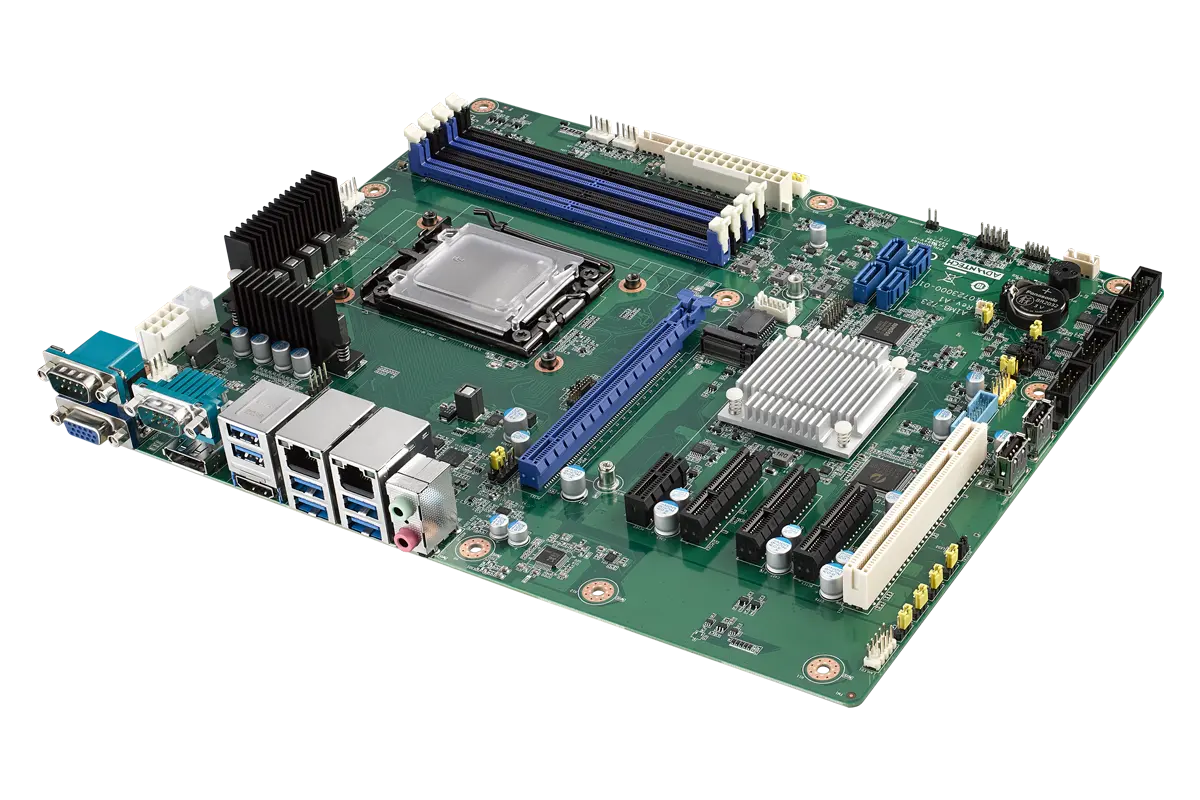
Reviewing customizable embedded models Is firmware update support and reliability stronger on x86 or arm embedded devices
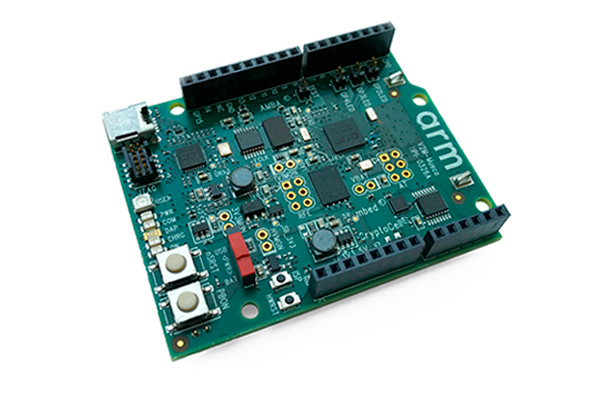
Over the past eras, the hardware realm has been governed by two major models: x86 and ARM platforms. Each architecture carries its specific assets, leading to a heated rivalry over market dominance. While x86 as the experienced design, has long held the crown in PC and server domains, ARM's rise has been nothing short of dramatic.
ARM's energy-saving superiority, coupled with its versatility, has made it a dominant choice for portable gadgets and integrated solutions. However, ARM is now pursuing to conquer new frontiers, including thin clients and information centers. This pursuit has stirred the veteran x86 entities, who are responding with their own innovations to maintain dominance.
- Critical contrasts in systems alter computing capabilities, power consumption, and overall system design.
- The shifting requirements of developers are driving the demand for more effective computing solutions.
To sum up, the contest between ARM and x86 is continuously developing and flexible, with both platforms continuously evolving to meet the demands of a rapidly changing world. The outcome of this clash remains to be seen, but one thing is certain: the future of computing will be shaped by the innovations and advancements of these two titans.
Choosing ARM or x86 CPU for Maximum Output
Amid the constantly changing IT environment, selecting the ideal computing blueprint can be a difficult puzzle. Two titans dominate the market: ARM and x86. Both offer compelling prospects, but their performance behaviors diverge significantly. This detailed analysis delves into the intricacies of each architecture, empowering you to make an informed resolution.
- Performance
- Energy Efficiency
- Price
Our investigation covers performance metrics, real-world use cases, and the advantages of each architecture, helping you discover which platform best suits your needs.
Reasons ARM Outperforms x86 in Embedded Markets
ARM microprocessors remain pivotal within the built-in device marketplace. This strength follows diverse vital contributors. First, ARM's configuration excels in energy conservation, making it ideal for devices with limited power budgets. Second, the ARM ecosystem provides a broad and energetic alliance of developers and hardware partners, providing ample support and progress. Finally, ARM's open-source approach enables tailoring for targeted implementations, leading to a wide range of remedies. These factors have merged in securing ARM as dominant for countless embedded devices, from smartphones to smartwatches and even industrial control systems.
Elite x86 SBC Selections for Advanced Users
Electing the finest x86 SBC demands analysis, especially when you're a expert operator. You need a device that can tackle complex projects, offer effective operation, and provide a platform for high-load activities.
- Various considerations shape the perfect SBC match, including processing power, RAM capacity, storage options, connectivity features, and community support.
- For true power users and professionals, a board with a efficient computing unit like Intel i5 or AMD Ryzen 5 is essential.
- Together with enough RAM and rapid data options requirement for smooth and efficient operation.
Don't just settle for an SBC that meets minimum requirements; invest in a platform that can entirely facilitate your tasks.
The Ultimate Guide to x86 Single Board Computers
Analyzing reasonably priced x86 SBC models is notably beneficial. These versatile systems deliver diverse capabilities to enthusiasts. From building networked dwellings to programming tools, x86 SBCs provide a dynamic, affordable ground for experimentation. This guide will provide insights into the flourishing x86 SBC sector, bringing to light qualities of these exceptional components.
- Investigate background and role of x86 SBCs within technology progress.
- Review known x86 SBC configurations, factoring specs and target users.
- Master the basic equipment forming an x86 single board computer.
- Investigate application stacks and OS platforms supporting x86 SBCs.
- Showcase inventive solutions leveraging x86 SBCs across industry verticals.
Development of ARM Technology for Desktop Applications
While generally famous for nomadic device authority, ARM architecture is steadily making inroads through workstation domains. Several factors contribute to this direction, including the increasing demand for energy-efficient computing and the growing popularity of cloud-based applications. Enterprises like Apple employ ARM CPUs in mobile PCs, demonstrating the potential for high productivity. This trend is further fueled by the development of new designs specifically tailored for desktop workloads. As these innovations mature and become more widely available, we can expect to see ARM's presence grow considerably over the coming years through desktop technology realms.
Selecting Between x86 and ARM To Match Your Computing Demands
As you pick a machine, two prominent CPU structures stand out: x86 and ARM. Both offer distinct capabilities, making the decision a matter of coordinating your needs with the right platform.
x86 the longtime industry standard is renowned for robust performance and a vast software ecosystem It leads in desktops, laptops, and workstations, particularly for demanding tasks like gaming or video production. ARM, on the other hand, accentuates energy efficiency and a compact design. This allows it ideal for mobile devices, embedded systems, and increasingly, virtual infrastructures.
- Contemplate your core operational scenario: Are you a technician? Do you need raw power or frugal energy consumption?
- Scrutinize program matching with CPU types. Not all applications are available on both platforms.
- Balance pricing and accessibility in regard to system decision.
Tiny yet Powerful Leading ARM SBC Options
Single board computing has surged recently with ARM chips leading owing to power saving and adaptability. These compact gadgets pack a surprising punch, offering incredible capabilities within a diminutive footprint. For hobbyists, makers, and even professionals, ARM-based SBCs provide a powerful platform for everything from learning about electronics to building fully functional applications. Whether you're looking for a budget-friendly option or a high-performance powerhouse, there's an ARM-based SBC out there to meet your needs.
- Survey popular options amidst this flourishing segment!
Assessing ARM and x86 Testing Outcomes
Evaluating ARM against historical x86 systems in tests illustrates striking differences. While x86 has traditionally dominated in raw processing power, particularly for resource-intensive tasks, ARM units gradually reduce disparities, especially in areas like mobile performance and energy efficiency. The recent surge in popularity of ARM-based central units deployed for handheld and desk-bound devices further fuels this struggle. It's important to note that benchmark results can be altered with different influences, including the specific model being tested, the software workload, and even the operating system. Therefore, it's crucial to consider statistics with insight beyond figures.
Is ARM Taking Over from x86 as Leading Architecture
The digital environment remains in flux, and one of the most captivating patterns highlight ARM's expansion. While x86 has long ruled the market, ARM's power-saving capabilities become increasingly appealing. This has led to theories that ARM likely override x86 as the chief architecture.
- Many reasons support this transformation: ARM's resource-sparing configuration draws interest from smartphones, notebooks, and server farms.
- Also, ARM's approachable licensing schema fosters progress within networks, yielding assorted varieties of ARM-derived units.
Nevertheless acknowledging that x86 maintains significant standing is essential. Top organizations support comprehensive x86 advancement, and established constructs hold relevance for extended periods.
Finally, it is too early to say if ARM will solely dominate x86. The technological landscape probably evolves through combined use of both systems, with each functioning uniquely in diverse industry branches.
Exploring the Convergence of ARM and x86 in Computing
The IT domain advances swiftly. Once distinct architectures, ARM and x86 are now on a collision course, converging to reshape the future of processing power. This convergence holds immense potential for developers and consumers alike. ARM's energy efficiency and compact design have made it the dominant force in mobile devices, while x86 has long reigned supreme in desktops and servers. However, integration is increasing, driven by factors such as the increasing demand for mobile computing and the rise of cloud services.
- This convergence will likely lead to a more diverse range of devices, powered by hybrid architectures that leverage the strengths of both ARM and x86. This could result in stronger handheld devices lasting longer along with resource-saving server units.
- In addition innovators acquire more assorted programming aids, enabling them to create innovative applications that explore new frontiers. The future of computing appears to be promising, with ARM and x86 convergence playing a pivotal role in shaping the next generation of technology.