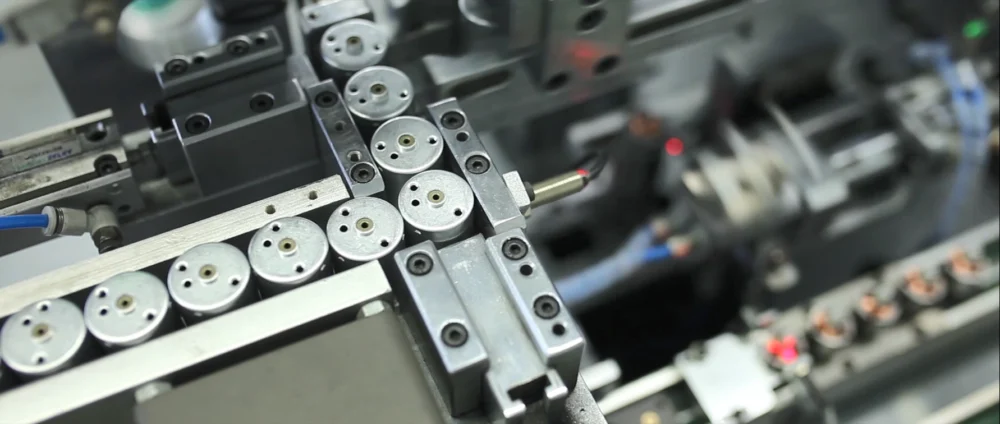
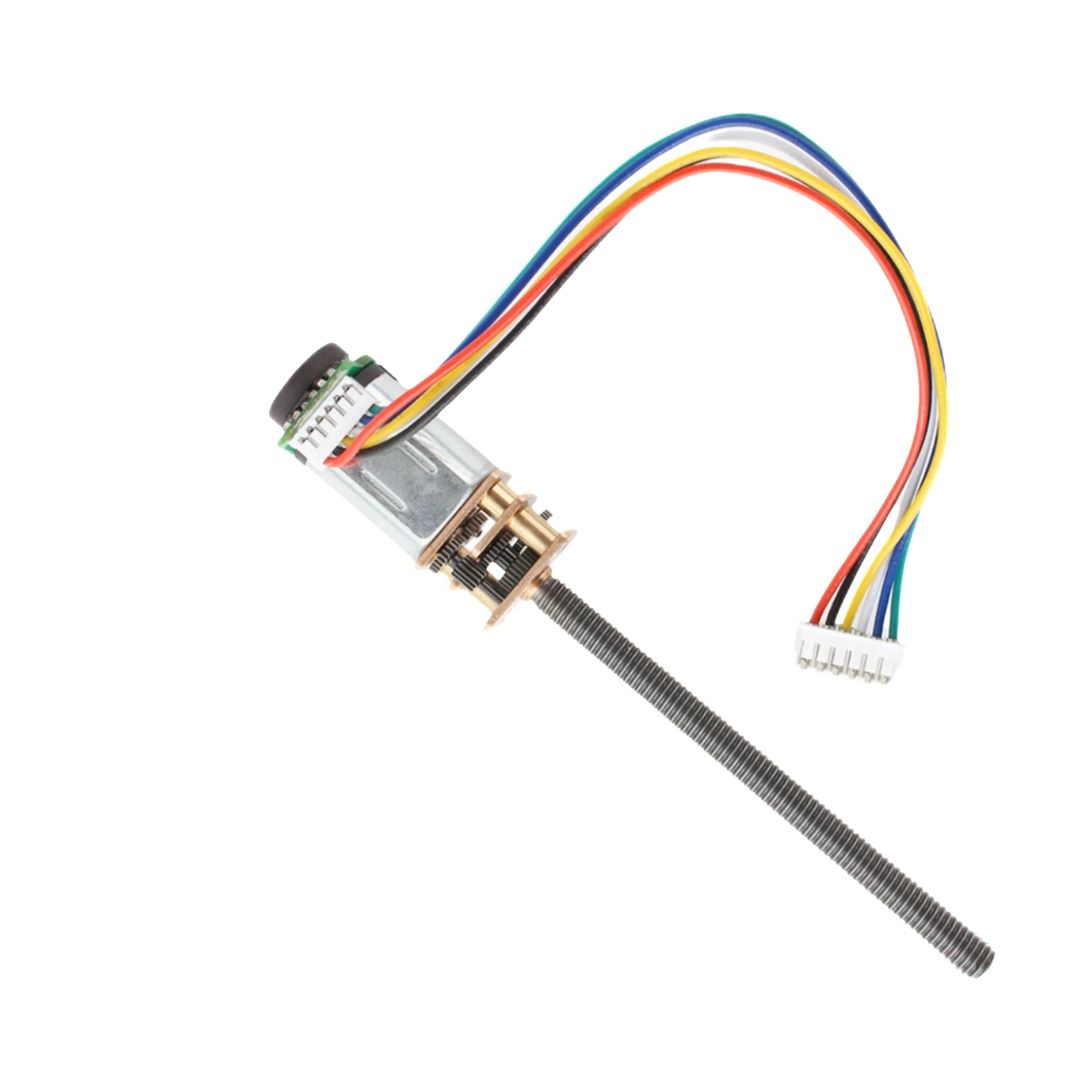
Select a micro planetary geared electric motor for high torque in tight spaces and click to download 3D models and wiring diagrams for fast design
Good day
Linear Resonant Actuators constitute a distinctive procedure to locomotion, distinguishing themselves from conventional actuators through their dependence on oscillations. The design typically involves a stator and a moving module, meticulously produced to augment potency at a fixed resonating speed. Employments for these systems are growing, spanning fields such as micro-fabrication, clinical apparatus, and robotic technologies where fine movement and rapid response are imperative. What’s more, their minimized volume and minimal electricity usage cause them attractive for compact units.
Frameless Drive Units: Performance and Accuracy in Compact Size
Modest coreless speed control drives showcase a extraordinary combination of top-tier output and peerless guidance in an incredibly miniaturized shape. Unlike traditional legacy DC engines, coreless structures negate plenty of any field impediment, giving rise to in better current efficiency. The described framework supports for impressively diminished power utilization and enhanced moment characteristics, turning these devices perfect for high-level uses namely digital devices, therapeutic kits, and compact personal products.
- Improved Productivity
- Accurate Operation
- Concise Form
BLDC vs. Brushed: Selecting the Best Motor for Your Needs
Picking a legacy DC motor and a commutator-free DC power source can feel bewildering, but understanding the main distinctions will help you. Brushed DC devices are less complex and generally budget-friendly to procure, offering a elemental design. However, they experience from damage on the carbon contacts, which compel timely refurbishment and generate sparks. Contactless drives, on the other hand, cut out mechanical contacts altogether, resulting in amplified potency, stretched lifespan, and reduced maintenance needs. They also function more silently. Consider the use; inexpensive applications with average force needs might be adequate with a brushed motor, while high-performance systems requiring reliability and efficiency capitalize greatly from a advanced DC drive.
- Advantages of Brushed Motors
- Smaller early valuation
- More elementary setup
- BLDC Advantages
- Boosted productivity
- Improved durability
- Reduced care
- Less noisy running
Micro Epicyclic Gear Systems: High Power Density
Small planetary devices depict a notable advance in energy methods. Those compact blocks supply remarkable moment within a extraordinarily reduced extent. Those architecture implements circular gear concepts to get optimal gear coefficients and output, supporting them appropriate for applications ranging from machine control and clinical mechanisms to accuracy instrumentation and aeronautical platforms.
Investigating LRA Devices for Ultimate Performance
To attain peak effectiveness from Linear Rotary Actuator (LRA) motors, a extensive familiarity of their exclusive innovation is imperative. LRAs exemplify a advanced process employing linear translation to fabricate rotary energy. Key parameters comprise the correlation between the magnetism-based impacts and the mechanism-based components, which directly determine the quickness and accuracy of the end twirling. Careful consideration of these foundations is required for successful deployment and preservation in various environments.
Advantages of Frameless Coreless Motors: A Comprehensive Guide
Brushless gear actuators present remarkable boons in relation to standard layouts. Expressly, the missing of a steel nucleus causes lessened impedance, making possible faster speedup and enhanced placement. It attributes designate them as fitting for applications demanding accurate management, like mechatronics and clinical tools. In addition, brushless engines usually display extended working periods due to diminished calorific formation.
Factors to Weigh When Choosing Brushless DC Motors
Opting for a suitable electronic commutated machine requires detailed consideration of multiple key characteristics. As a first step, comprehend the custom dc gear motor device’s demanded turning force and velocity. Then, evaluate designated energy potential window and power draw specifications. Also, acknowledge particular environmental conditions, including temperature, atmospheric moisture, and anticipated tremor.
- Scale and density are regularly critical impediments.
- Effectiveness and energy draw are expected to be considered.
- Value - weighing up operation with capital restrictions is essential.
One Surge of Minute Planetary Mechanism Actuators in Smart Machines
The expanding demand for diminished and reliable motion in up-to-date robotics is spurring the emergence of micro planetary mechanism motors. These mechanisms offer a critical advantage over traditional machines in applications like micro robots, aircraft vehicles, and personal electronics. Opposite to simpler designs, their orbital gear arrangement allows for increased torque density and abated backlash, yielding augmented positioning control. What’s more, the compact size of these engines is indispensable for integration into space-sensitive robotic systems.
- Cut Dimensions
- Elevated Torque Density
- Upgraded Fineness
Analysis of LRA, Coreless, and Brushless DC Motors
Reviewing assigning a engine for any assignment, understanding the distinctions between diverse types is pivotal. Let’s shortly examine three regular options: LRA, Coreless, and Brushless DC Motor Types. Linear Motor Types give linear progression and are typically used in situations where rotational travel isn't mandated . Coreless electrical motors show augmented turning force features and decreased rotational sluggishness compared with classic brushed DC power sources. To conclude, Digital DC motors provide exceptional potency, enduring functional period, and soft working, even though they usually need greater intricate management electronics.