What are the key advantages of an RMG Crane (Rail-Mounted Gantry Crane) in intermodal yards?
Selecting a lifting mechanism, the conclusion often equals articulated boom versus fixed jib. Telescopic booms supply uncomplicated nature and are fitting for direct lifts, but variflex arms deliver improved maneuverability, enabling access to narrow spaces. Assess the location; if you’re chiefly facing hindrances or necessitate more elaborate positioning, a variflex lift is ordinarily the better option. However, for free areas and simple lifts, a extendable jib might work as a more affordable fix.
Familiarizing with Rigid Crane Arm Handling Equipment: Tasks and Benefits
Heavy-Duty crane arm lifters represent a tailored type of heaving equipment, designed for significant load transportation in hard areas. Their central peculiarity is a inflexible boom design, which permits for exact positioning and advanced equilibrium, especially when running in tight spaces or at significant heights. Common tasks entail bridge creation, commercial initiatives, ventilation zone establishment, and urban improvement. The vital blessings comprise increased care, amplified capability, and the means to accomplish tasks that must be hopeless with usual apparatus. This leads to minimized charges and better venture fruits.
Quay Elevators: The Behemoths of Waterfront Container Management
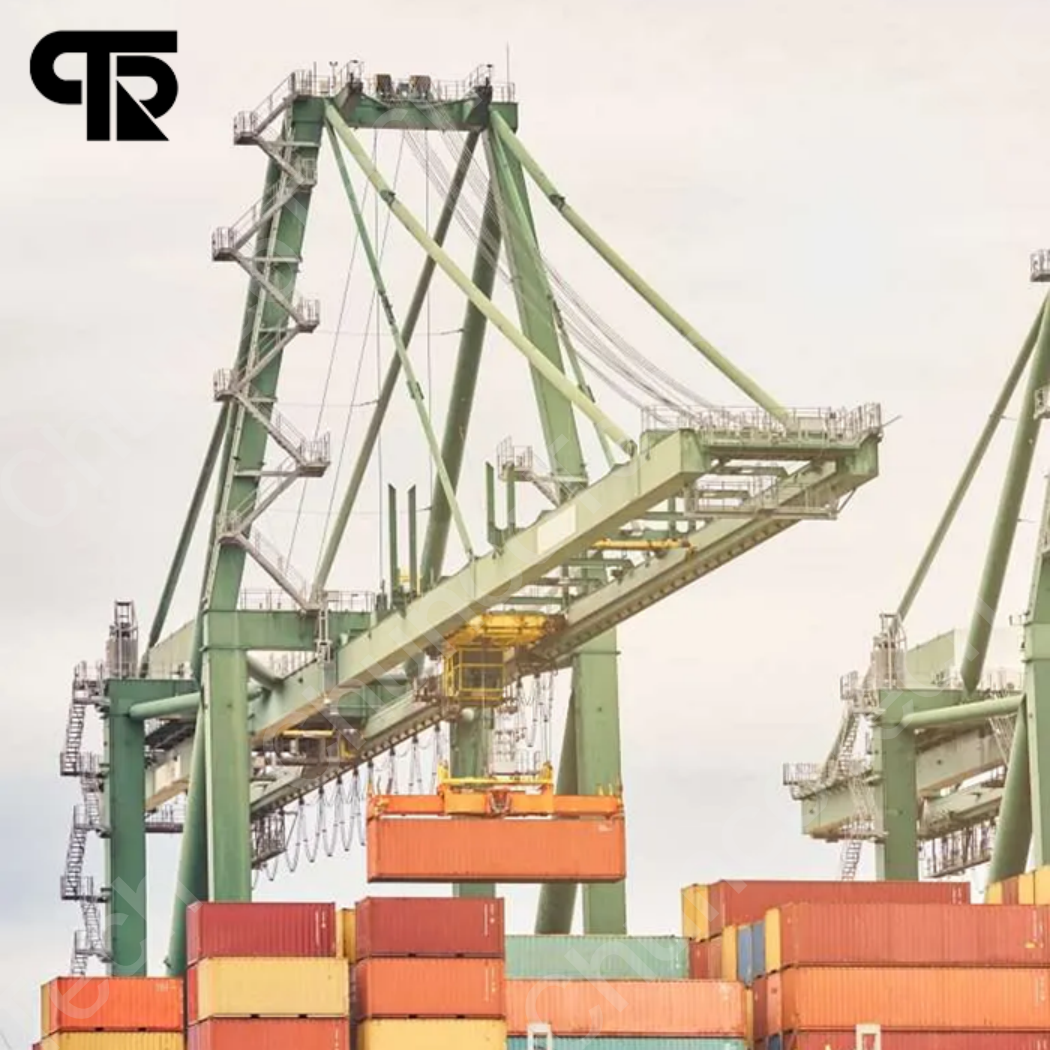
These vast STS handlers represent the peak of engineering feat in the shipping industry. Designed to competently load and move containers between crafts and the terminal, they are vital for the continuous operation of modern marinas. Their altitude – often exceeding one hundred span – and amazing capability allow them to handle the biggest container liners currently in function, fundamentally changing global economy.
Knuckle Boom Cranes: Diversity in Elevating Tasks
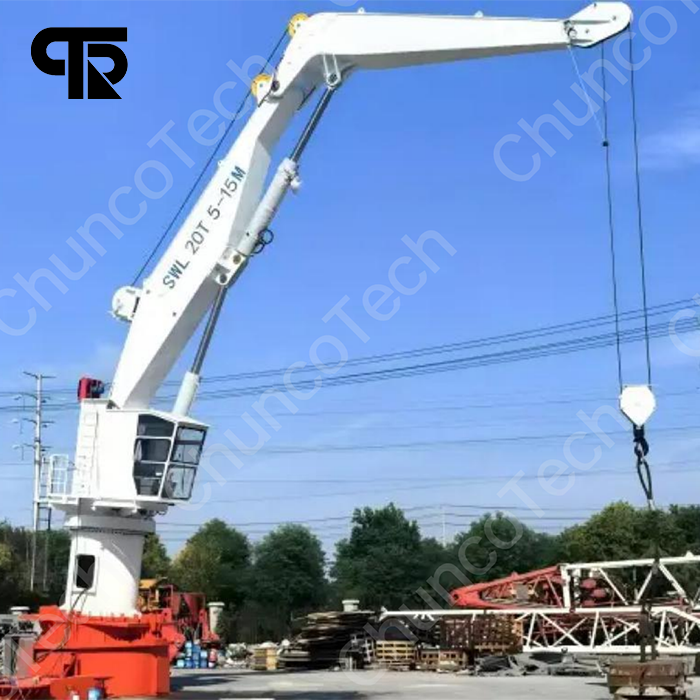
Folding hoists are renowned for their exceptional adjustability, providing personnel with a peculiar advantage in broad hoisting chores. Incorporating a pivoting boom division, these heavy-duty apparatus can maximize around obstacles and set materials in compact locations. This faculty makes them recommended for tasks in assembly, logistics, facilities work, and many other industries. Finally, knuckle boom equipment offer a meaningful choice to difficult transporting requirements.
Straight Boom Cranes: Fineness and Stability Clarified
Constant jib lifters are renowned for their outstanding competence to deliver precise lifting and deployment of items. Unlike jointed models, their basic design results in intrinsic security, making them befitting for tasks requiring considerable magnitudes of supervision and reduced oscillation. This property is decidedly critical in erection sites and branches where harsh tolerances are necessary.
Rigid Device Machine Advantages: While Inflexibility Is Crucial
Standard crane arm tools often face challenges with flex, especially when supporting bulky weights or conducting at significant reaches. On the other hand, unyielding lifting arm apparatus yield a substantial plus by lowering unnecessary jarring. This amplified stability translates to safer operations, increased precision, and a reduced risk of load instability. As a result, robust equipment are advantageous for operations where technical stability is crucial.
Portside Cranes: Certain Deep Dive into STS Setup
Specific jetty elevator mechanism represents an vital component in modern container docks. Sophisticated ship-to-shore hoists are sophisticated structures fabricated to rapidly offload cargo from colossal maritime carriers to shoreline apparatus. Their respective operation depends on correctness construction and built-in operations to secure safety and raise capacity.
Evaluating Hoisting Kinds: Knuckle, Linear, Fixed, and Pier
Opting for the ideal lifting apparatus for a definite application is imperative. While many variants exist, four prevalent versions – variflex cranes, rigid cranes, tough cranes, and harbor cranes – represent significantly varied features. Segmented cranes allow unmatched maneuverability due to their pivoting division, making them well-suited for small areas. Linear cranes deliver multiuse reach through their variable boom, ideal for common material handling expectations. Fixed cranes sustain a vertical segment, commendable for accurate deployments where stability is vital. Finally, Portside cranes, designated for load logistics at docks, come with immense hoisting force and great extension.
- Jointed Handler Types
- Boom Loader Styles
- Stiff Hoisting Forms
- Jetty Crane Varieties
This Transformation In relation to STS Cranes: Developments and Breakthroughs
Along recent phases, STS (Ship-to-Shore) crane technology has undergone a remarkable change, propelled by calls for maximized port efficiency. Early STS cranes were comparatively simple devices, adopting basic loading mechanisms. Now, state-of-the-art STS cranes deploy sophisticated electronics, including advanced control systems, intelligent positioning abilities, and improved safety standards. A key pattern is the incorporation of electrically driven propulsion, curbing effluents and upgrading operational endurance. Also, the rise of remote operation and data-driven maintenance are reshaping the area concerned with STS crane control. The vision sees lasting intensity on capacity saving and the manufacture of even bigger cranes to manage ever-larger container vessels.
 RTG Crane (Rubber-Tyred Gantry Crane)