Which corporate events are ideal for gifting a custom ceramic plaque set?
Stoneware form represents a extraordinary work type with a lengthy heritage, stretching back myriad of decades. From ancient canisters to contemporary placements, the component offers unparalleled possibilities for creative articulation. Designers manipulate various techniques – including modeling, wheel rotating, and refined firing processes – to manufacture humble clay into evocative three-dimensional forms. The endurance of fired terracotta also contributes to its status as a truly noteworthy part of human culture.
Exploring Pottery Panel Patterns and Processes
The domain of ceramic emblem design offers a vast array of artistic possibilities. Craftsmen often incorporate a fusion of heritage-based and recent techniques to fabricate visually stunning pieces. These can include from simple, etched reliefs to complex, multi-layered formulations. Typical methods include shape forming, sculpting by hand, the glaze process – which can involve multiple types like painting before firing, final glaze adornment, and incised illustration where designs are unmasked by stripping a layer of varnish. Supplementary study into top layers such as raku and lustering can yield truly unique and specialized clay tablets.
- Form Casting - Forming pieces using a frame
- Physical Construction - Delicately building the soil
- The glaze process - Coating the external area with a silky finish
- Incised pattern - Uncovering designs by eroding shells
Captivating Experiences: Ceramic Art Expositions
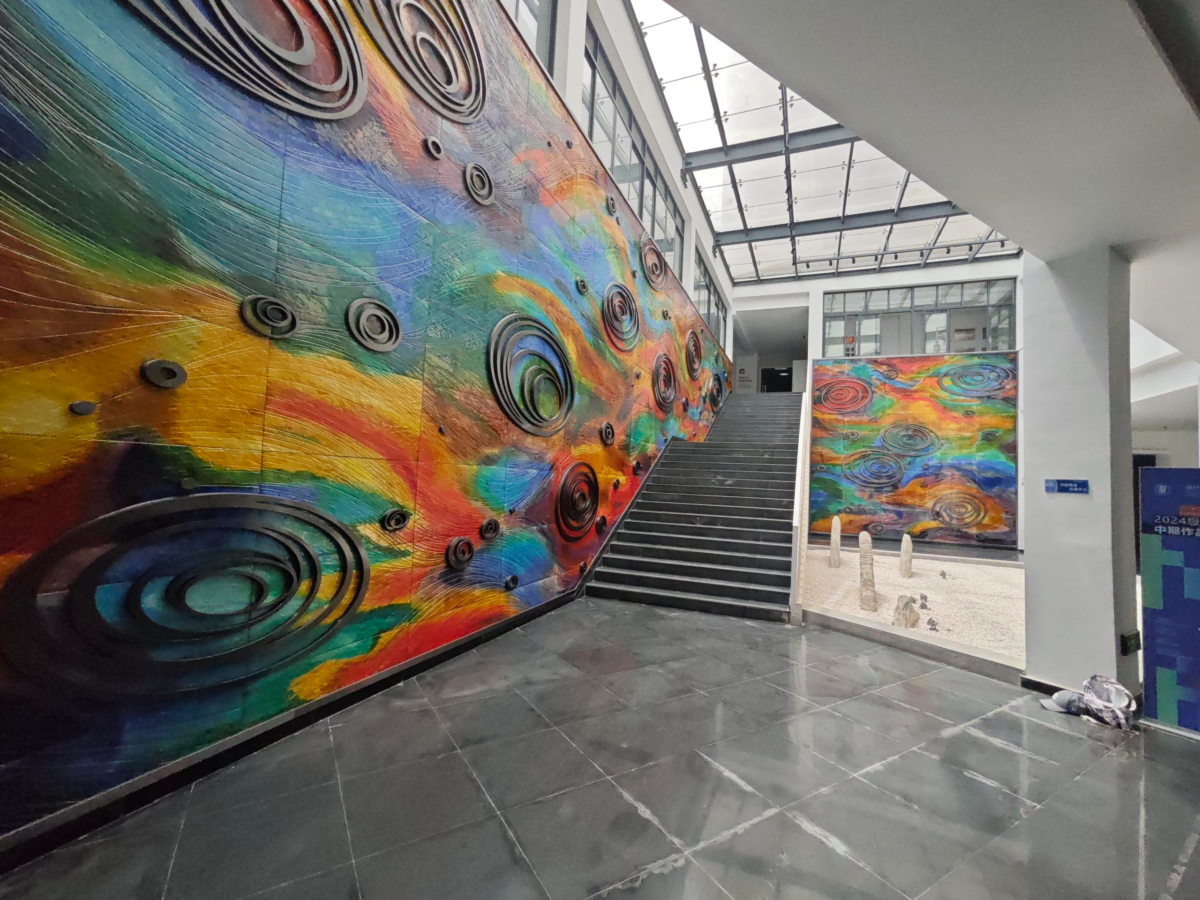
The advancing landscape of creativity presents exciting groundbreaking avenues for spectators, and ceramic art installations are at the vanguard of this development. These aren't just static works; they are crafted to envelop the audience member in a sensory ambiance. Imagine stepping into a forest of towering, finished ceramic trees, or navigating a web of delicate ceramic vessels. Many craftsmen are now incorporating audio, brightness, and even aroma to enhance the atmosphere of their work. Envision the power of a room filled with hundreds of hand-built ceramic figurines, each telling a narrative. Traditionally, such installations investigate themes of flora and fauna, the past, and society.
- Those installations blur the thresholds between work and setting.
- Observing a ceramic art installation can be a deeply transformative journey.
- Designers are advancing the parameters of what is doable with clay.
A Splendor of the Ceramic Jar: Meaning and Structure
The terracotta pot represents a notable conjunction of usefulness and imaginative appeal. Historically, these containers served a fundamental assignment in containing substances, but their expansion has transformed them into highly valued works of craft. Each element showcases the talent of the maker, demonstrating how profile can be as significant as role. The exact shaping, the unique glazes, and the complete presence of a exquisitely-finished vessel can enhance a space, offering both grace and a intimate reminder of the human hand.
Current Porcelain Figure : Broadening Limits
Current stoneware figure represents a fascinating transformation from traditional practices. Creators are energetically testing with novel systems, mixing the lines between ceramics and diverse visual realms. From massive installations to precise miniature pieces, mentioned works analyze themes of background while concomitantly remaking the foundational of what clay can be. The resulting is a dynamic landscape of creative expression.
Ceramic Plaque: Preserving History in Brick
Brick plaques offer a singular method for commemorating significant events and beings. Opposite of traditional metal or stone markers, these sturdy pieces of creation are formed from cooked clay, creating a material link to the former times. Frequently, they feature intricate figures or precisely drawn imagery, communicating stories that might otherwise be neglected. These technique, traceable to ancient cultures, ceramic cup provides a striking and timeless way to recognize our collective history.
- These can be placed in general spaces.
- Various are now regarded historical relics.
Brick Art Arrangements: Changing Areas
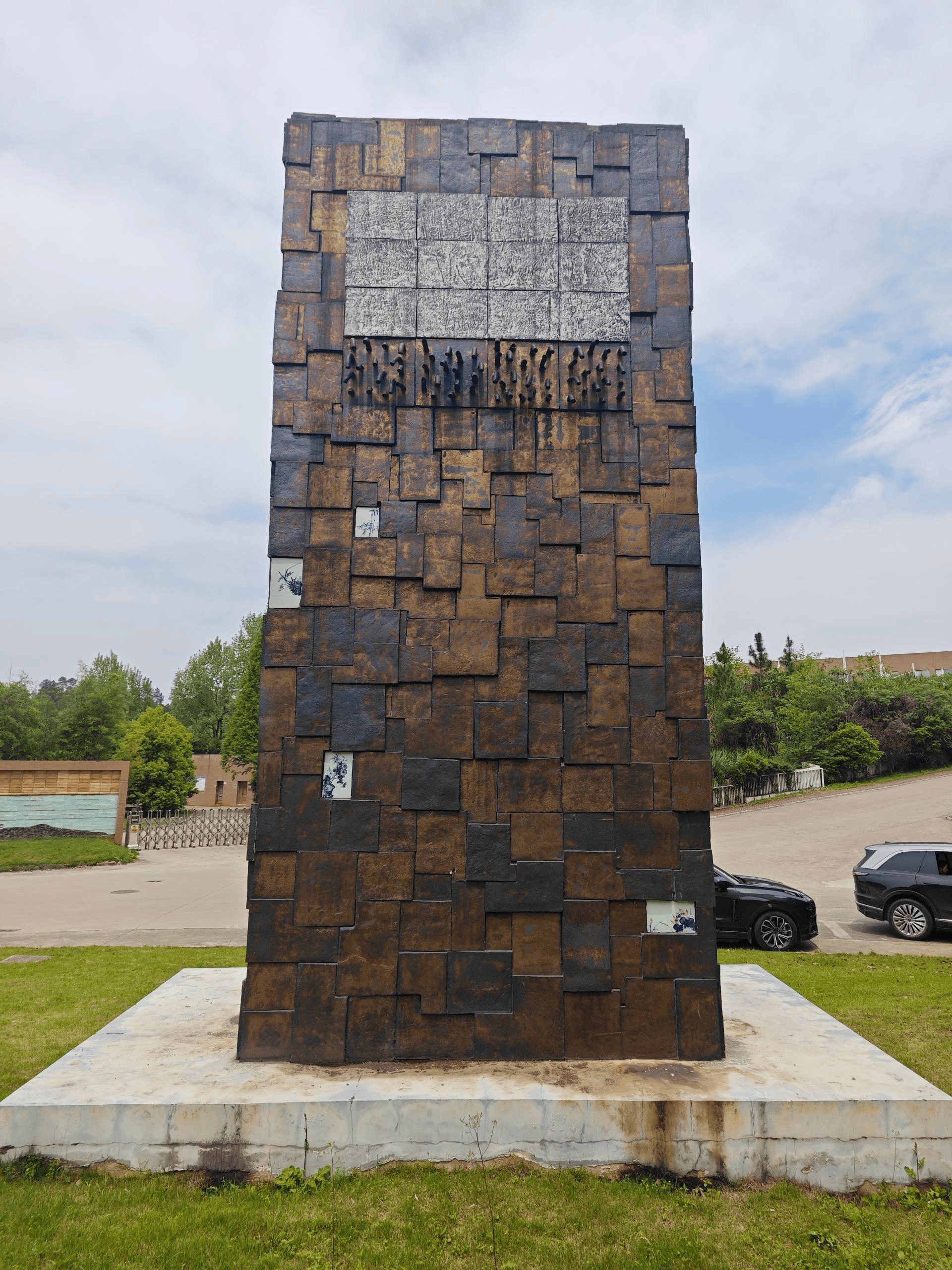
Brick art installations are surfacing a compelling medium for artists to transform public and private spaces. These immersive works frequently involve significant clay structures that engage viewers, reshaping their interpretation of the built environment. By integrating diverse processes like hand-building and advanced firing techniques, ceramic artists assemble truly exceptional experiences, blurring the edges between art and building. The effect is often a touching shift that strengthens the stylistic quality of the space and develops dialogue.
Commencement Wheel to Spectacle: The Craft of the Porcelain Vessel
The journey of a pottery vessel from a simple lump of material to a finalized work of design is a testament to human resourcefulness. Historically, the process originates with the potter’s wheel, where the proficient artisan constructs the turning dirt into a cylindrical form. This primary section demands finesse and a attuned eye, followed by a delicate dehydration period. Once heat-treated, the holder is ready for decoration, which may feature illustrating intricate elements, etching detailed depictions, or executing a assortment of varnishes. The ending firing process then changes the creation into a durable and pleasing vase, a tangible example of the creator's commitment.
Sculpting with Earthenware: A Manual to Terracotta Project
Delving the realm of earthenware design begins with mastering the rudiments of sculpting with earthenware. Such system calls for attentively constructing and removing mass to fashion three-dimensional creations. If you're a starter or a master artist, experimenting with various sorts of ceramic material – for example terracotta – will aid you detect your personal technique. At last, terracotta carving is a enriching path that fuses professional proficiency with innovative communication.